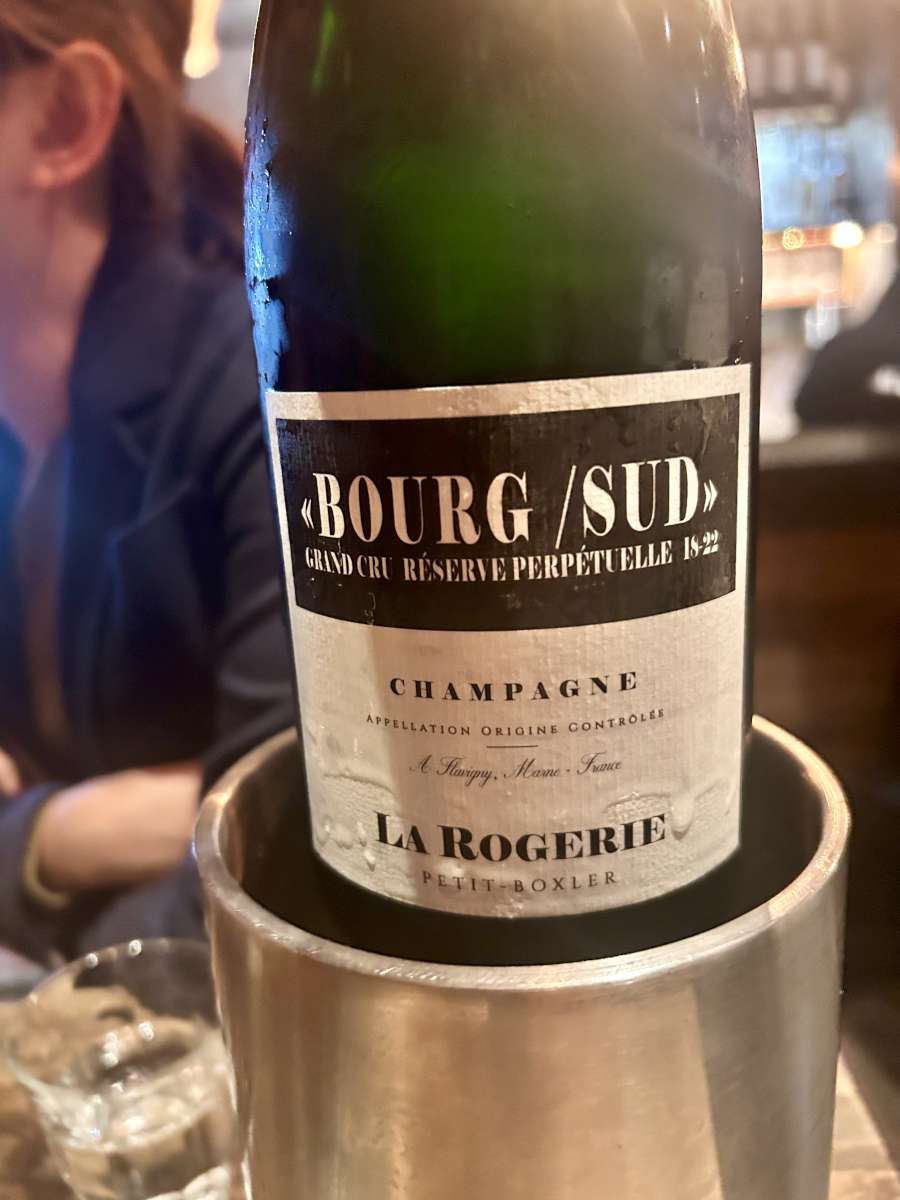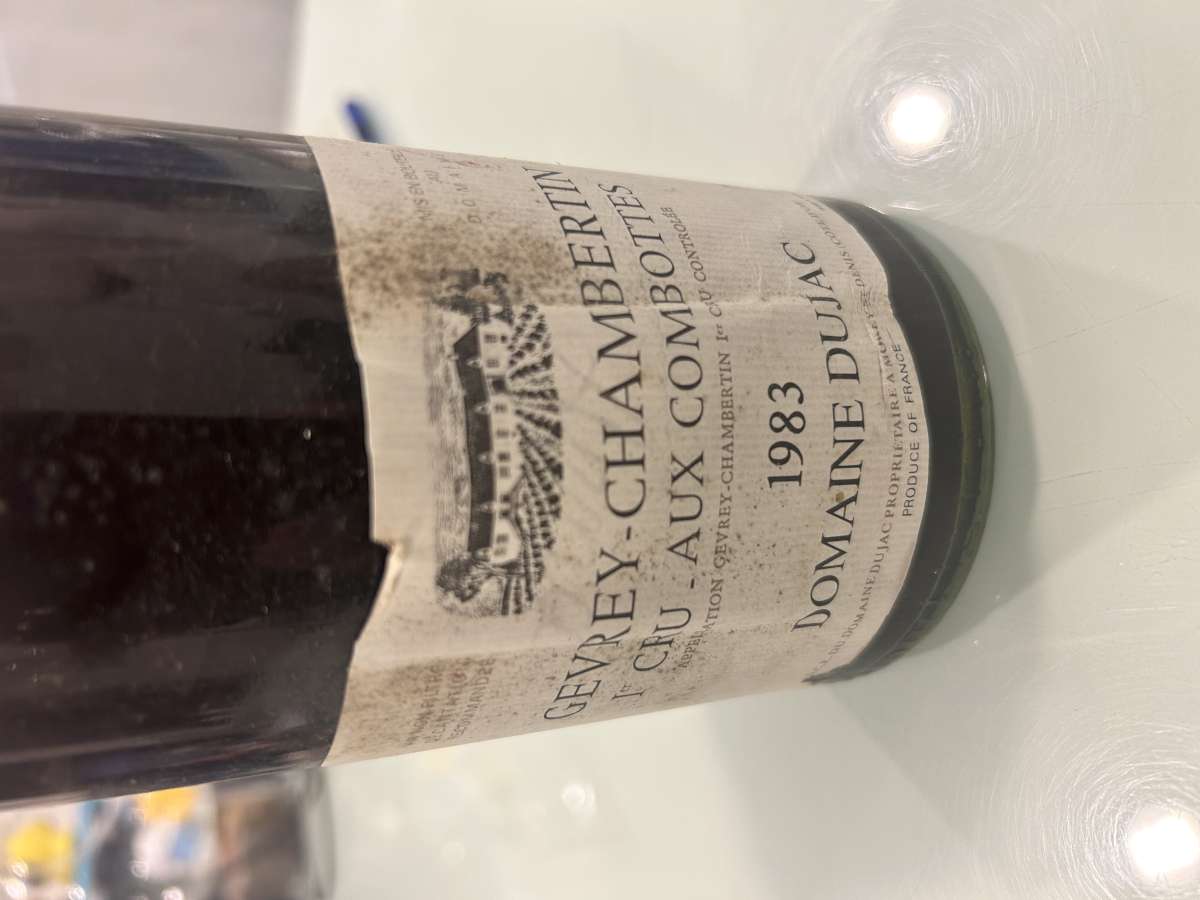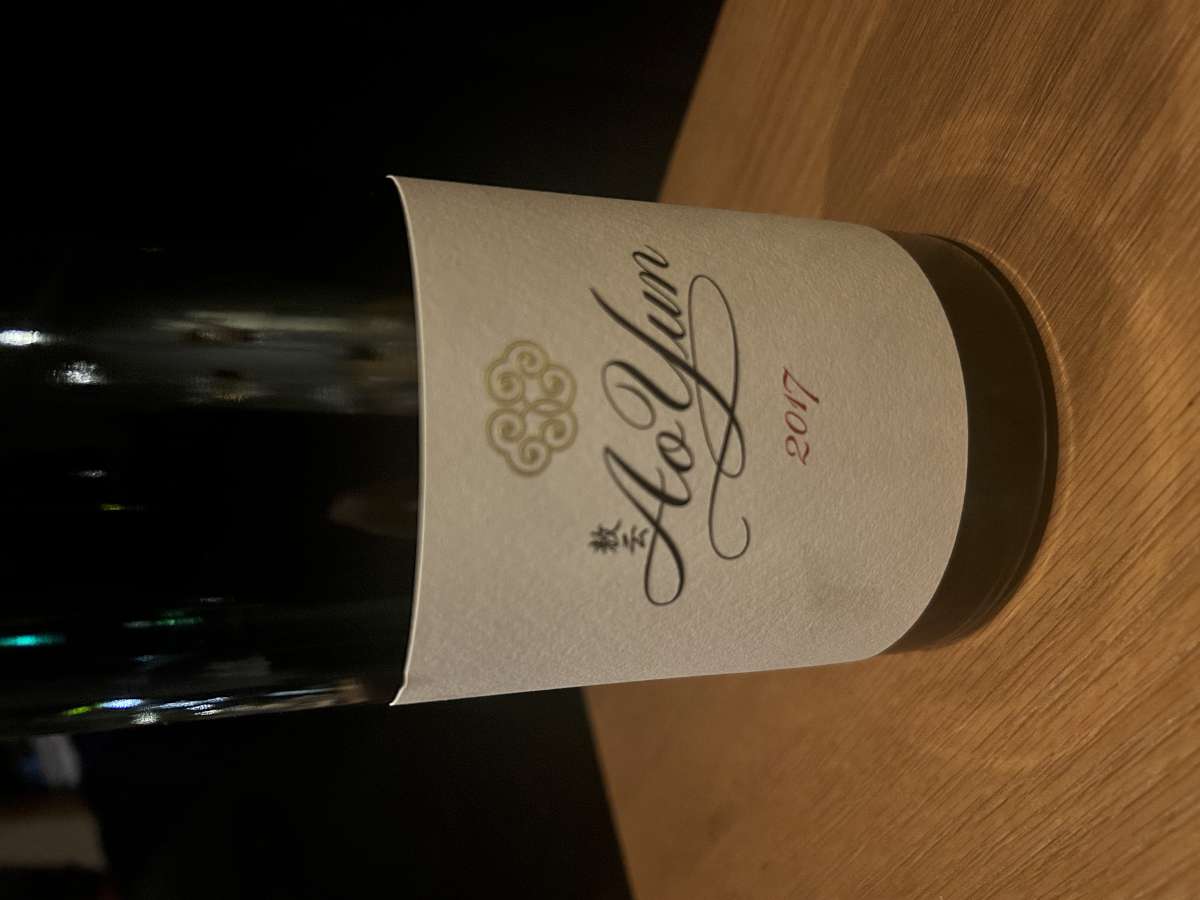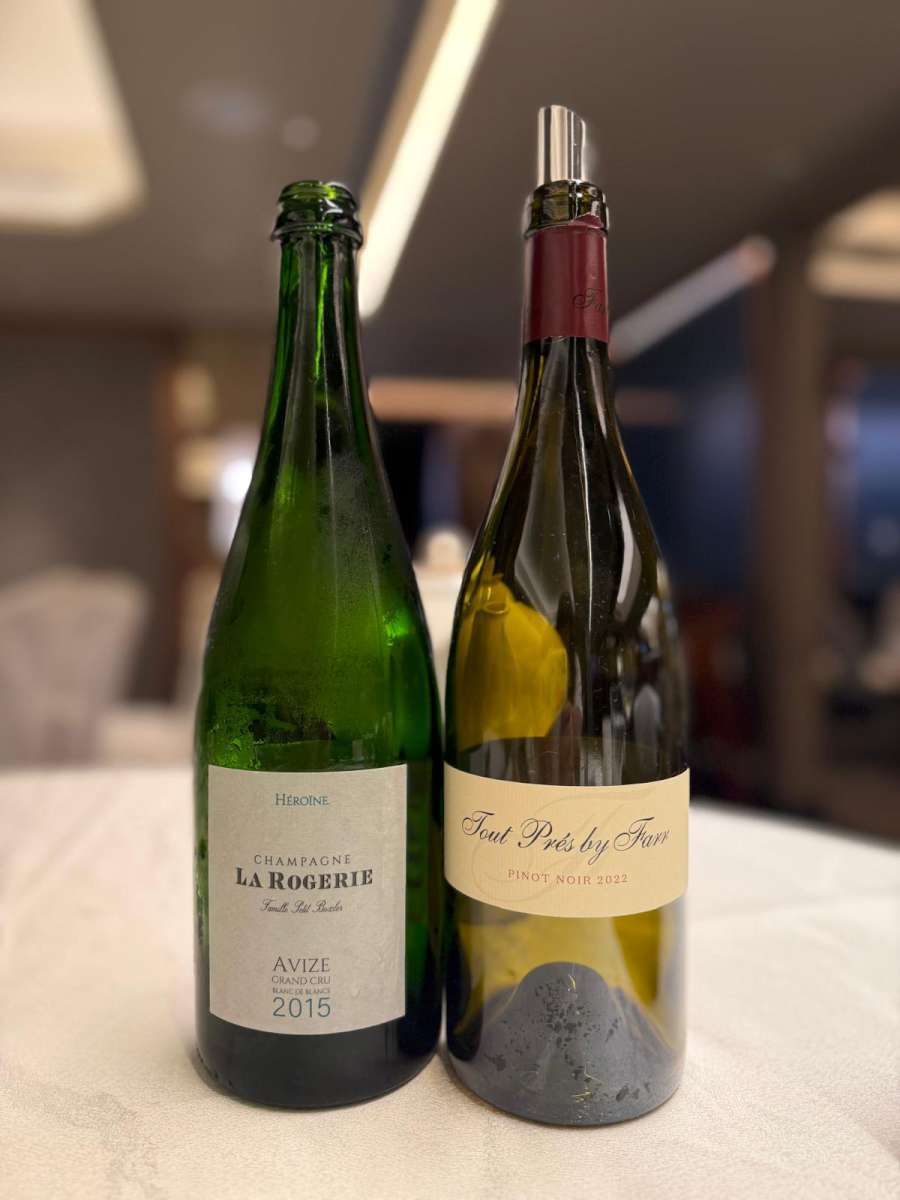
In the period after Hong Kong wine duties were removed in 2008, Bordeaux was without doubt the region which capitalised most on the sudden boom in demand. Despite Hong Kong’s historical link to the UK, fine wine was still something enjoyed mostly at private dinners amongst a few connoisseurs. Almost overnight, it became the chosen social lubrication as well as a sign of sophistication and opulence.
Many of the Bordelais, often inspired businesspeople as well as winemakers, had been travelling to the Far East for decades. Tutored tastings and dinners proved incredibly popular in an untapped market with a serious thirst to learn. This foresight, combined with an incredible back catalogue of mature wines (and now zero tax), meant Bordeaux was the talk of the town.
Farr Vintners opened our Hong Kong office in 1997 and we were well placed to satisfy this sudden increase in demand. An incredible number of great restaurants were the perfect setting to introduce ourselves to wine-lovers and introduce them to the winemakers. A Domaine de Chevalier dinner with Olivier Bernard, Ducru Beaucaillou with Bruno Borie and Eglise Clinet with Denis Durantou were just some of the incredible evenings we co-hosted over the years.
My first time attending a wine dinner in Asia was in 2012- a superb vertical of Château Cos d’Estournel hosted by Jean-Guilaume Prats at the Grand Hyatt hotel in Shanghai. By this point it was clear that this adoration for Bordeaux was spreading beyond Hong Kong into Mainland China and South-East Asia.
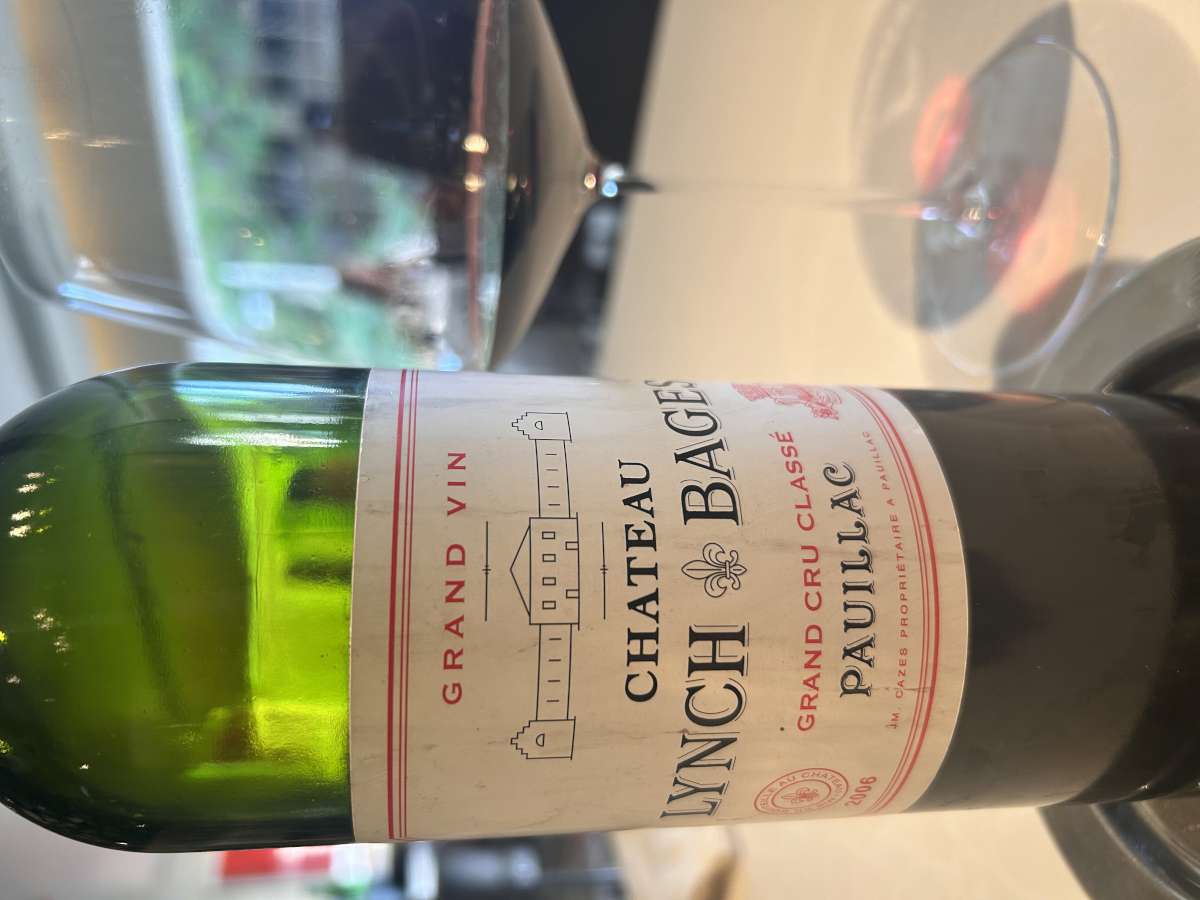
So how are things different today from that extraordinary period of growth for Fine Wine in Asia? If anything, the quality level has risen in Bordeaux. The back-to-back legendary vintages of 2009 and 2010 followed the removal of wine duties and the following decade was probably the most consistent of the region’s history including the spectacular 2016, 2019 and 2020 vintages.
It's unsurprising that having accumulated an incredible wealth of knowledge of the wines of Bordeaux, drinkers were going to turn their attention to more undiscovered regions. The last ten years has seen a shift in Hong Kong towards different styles of wine whilst almost concurrently we’ve seen substantial quality increases in New World wines (and previously ignored Old World regions); biodynamic viticulture coming into the mainstream; and technology changes in the 1990s and 2000s - meaning older wines can be bought and enjoyed with less risk.
It is also something of which the Bordelais can be proud that so many producers around the world have looked to emulate them and close the quality gap. Whilst there is still obvious affection for the region that started it all off, this is now a sophisticated market where consumers are looking to have a slightly more varied selection of wines in their cellar and are open to different styles. We’ve been long-time promoters of wines from Guffens-Heynen in the Maconnais and Kumeu River in New Zealand; these wines provide enormous pleasure to drinkers who are willing to stray from the more famous appellations.
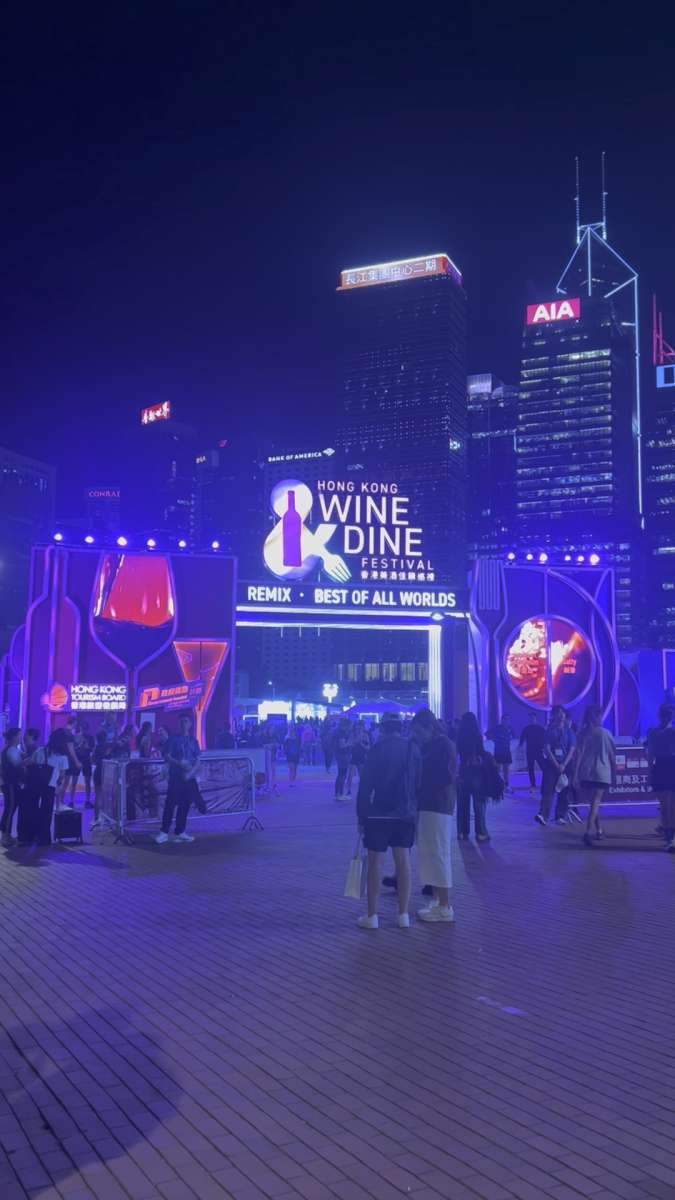
Nowhere was this wide-eyed fascination with wines from all over the world more obvious than at the recent Wine and Dine festival. The atmosphere was more a mix of music festival, Henman Hill and a beer garden rather than a wine trade fair. Pretty much every wine region was represented with mature bottles, large formats, DRC by the glass (!) all on offer. An encouraging sign for the market that I was one of 160,000 attendees over four days.
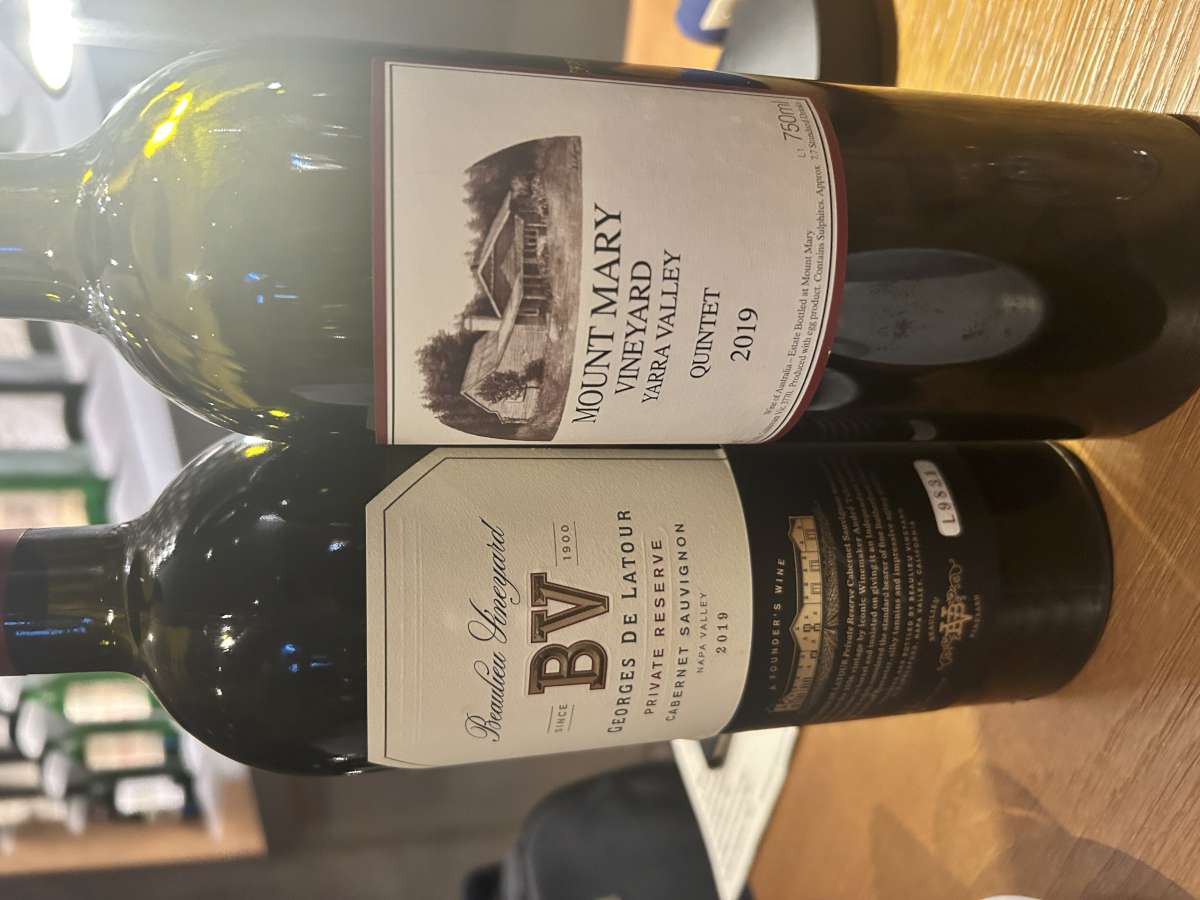
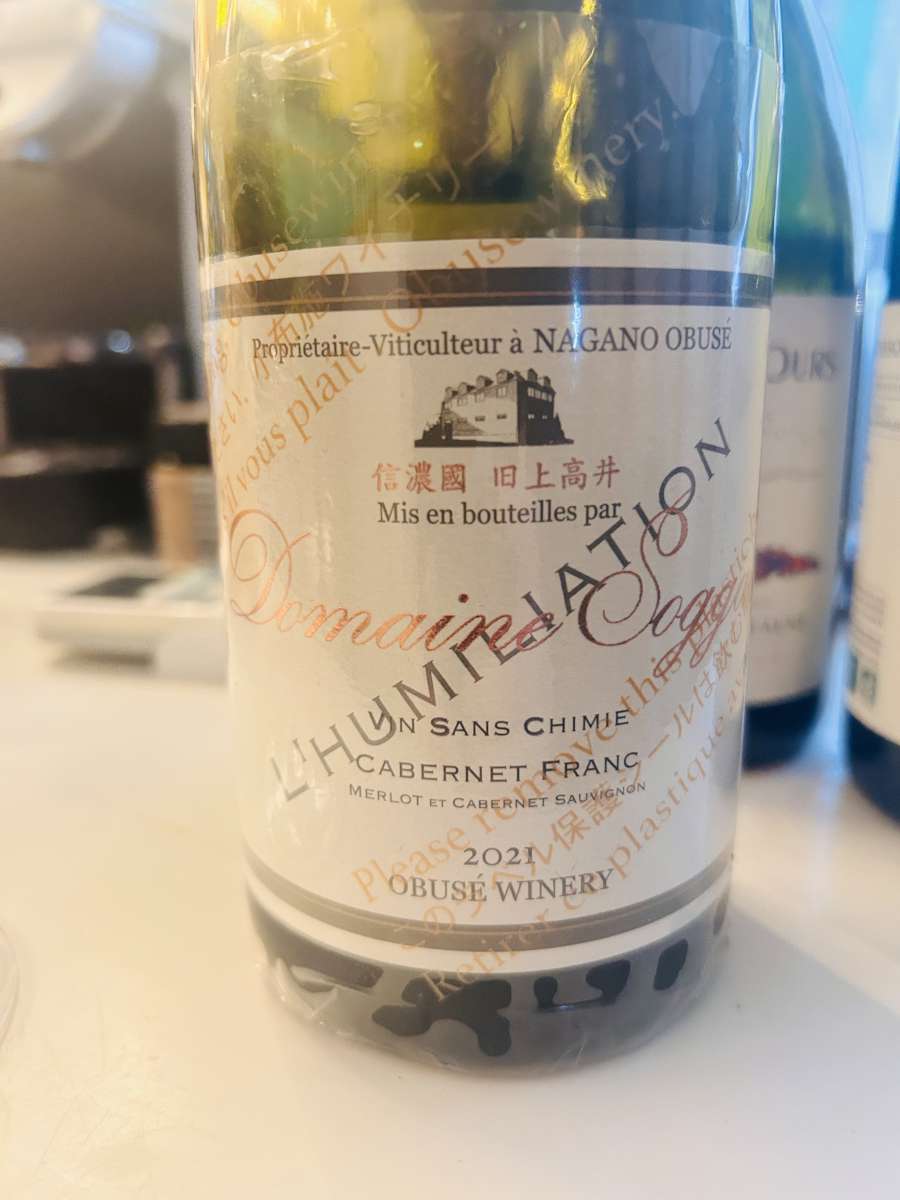
This enthusiasm for the undiscovered has translated to tastings and dinners that I have been attending as well. In terms of regions, these is an obvious desire to explore wines from nearby Mainland China and Japan. While the quality is variable, there is now greater intrigue around boutique producers in emerging sub-regions compared to the LVMH and Rothschild collaborations which initially garnered most attention from the critics.
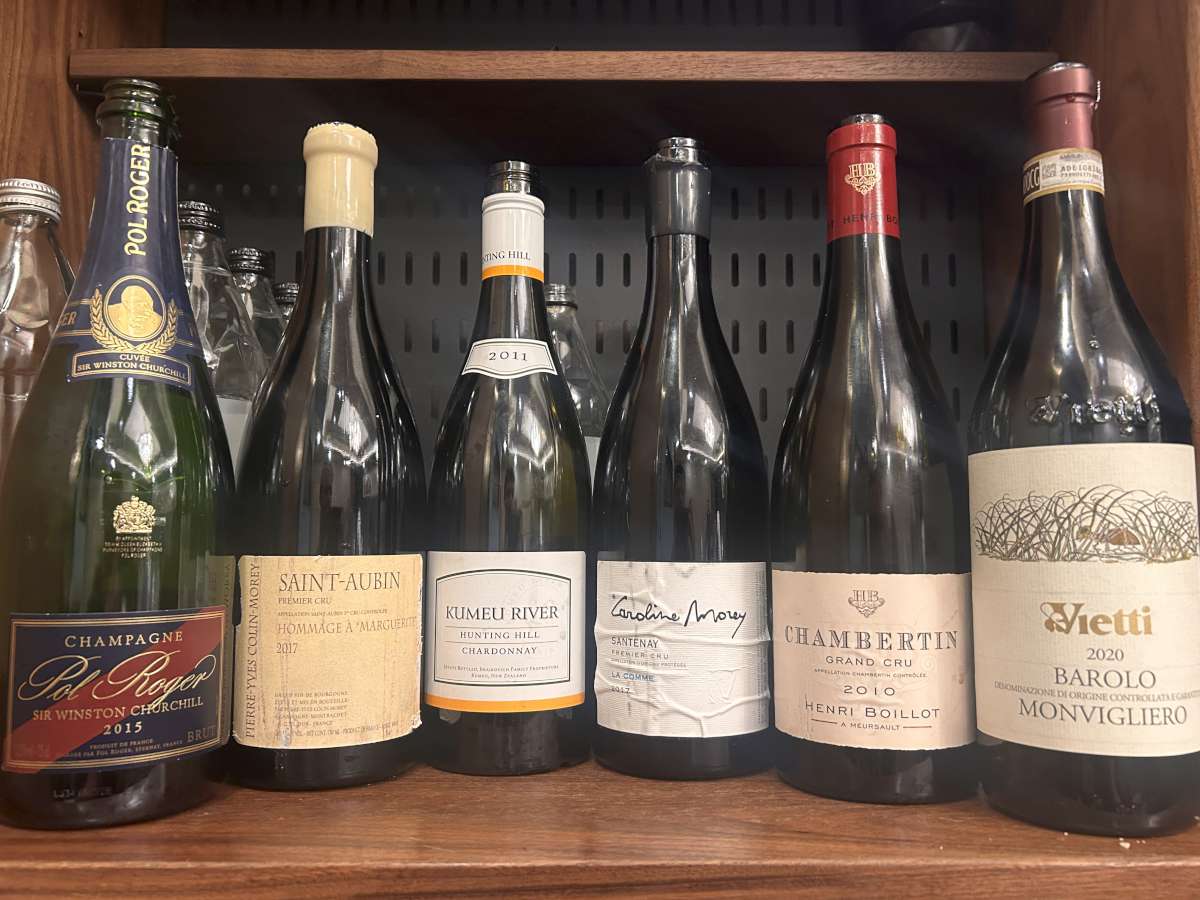
This move towards unloved regions and wines with maturity was clearly on show at Club Batard with Clarté Haut Brion 2011 and Puligny Montrachet Bouchard-Pere 1985 on the by-the-glass list.
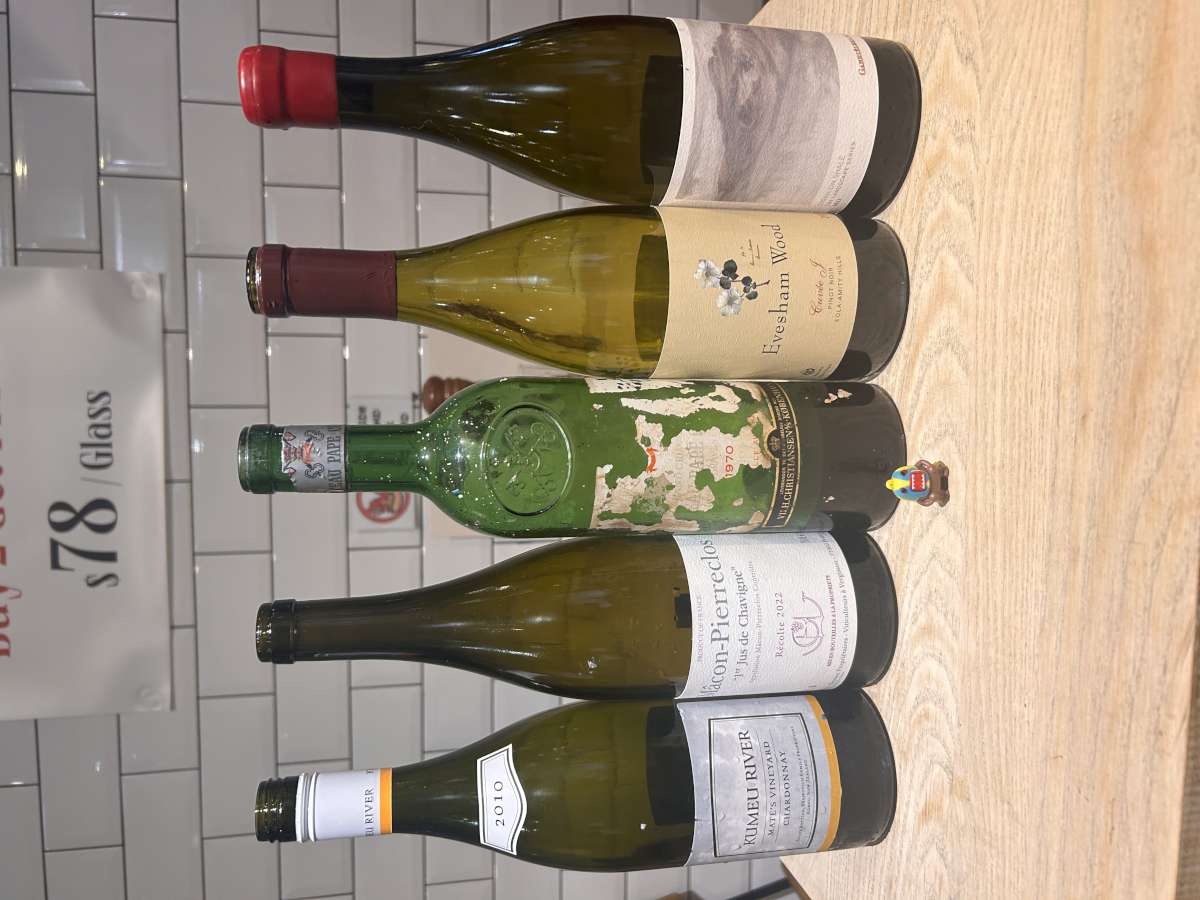
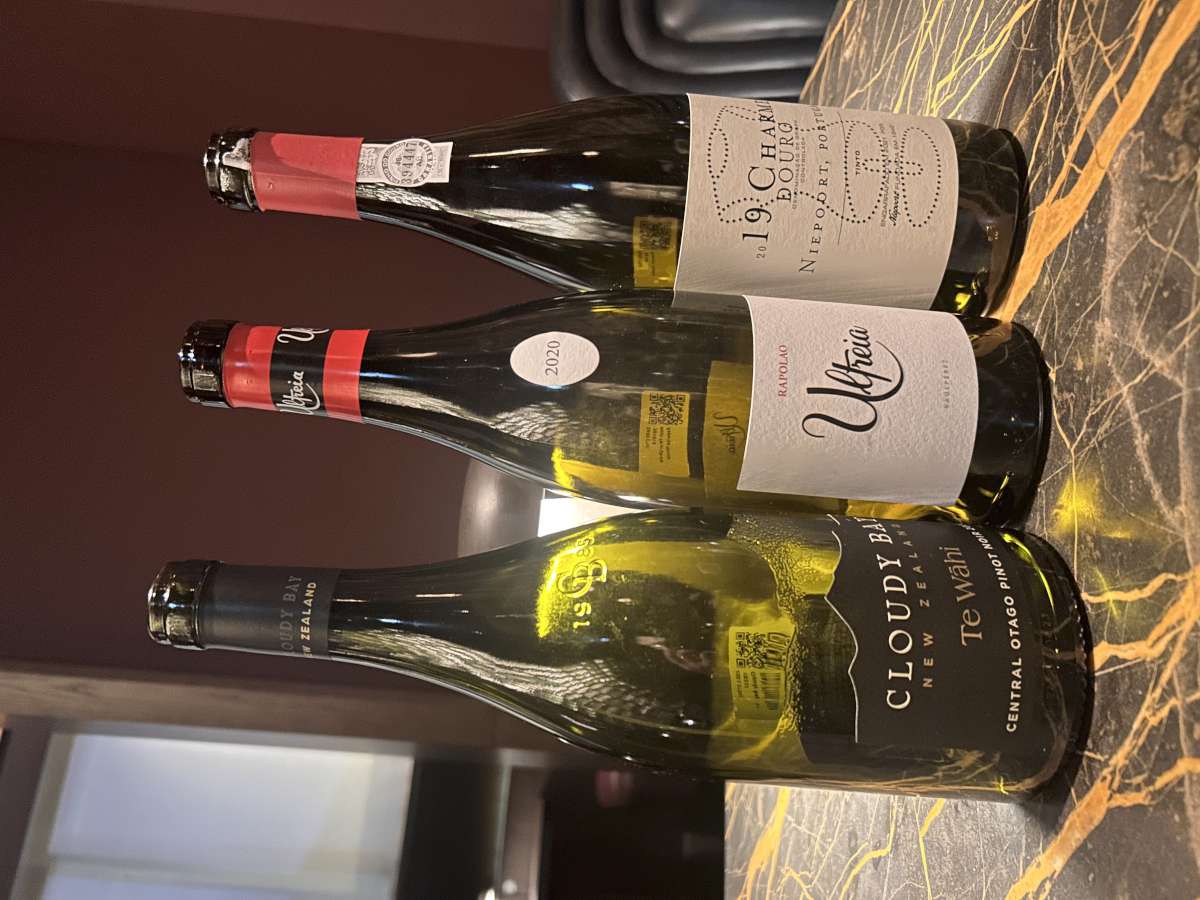
At one recent dinner where the theme was "off the beaten track", a bottle of Pape Clement 1970 gave a good account of both itself and Bordeaux, now just a few years shy of obtaining its bus pass. All wines were served blind and my bottle of Kumeu River Maté’s Vineyard 2010 proved incredibly popular, not just because of the obvious quality but also the desire to not judge a wine based on its label or market value.
Delicious bottles from Oregon and South Africa rounded off the night to exemplify the huge strides made in these New World regions and their presence in the collections of wine lovers. This has squeezed Bordeaux out to 35% of the wine that Farr Vintners imports to Hong Kong (by region). This may be well below its peak and maybe less fashionable than before but it is still the largest region, in terms in terms of quantity, that we ship here.
The wine of the night? Also not Côte de Beaune - although not far away! It was a brilliant bottle of Macon Pierrecelos 1er Jus de Chavigne, Guffens-Heynen 2022. We’ve been importing these brilliant wines produced by Jean-Marie Guffens since 1989 and the kind guest who brought the bottle enjoyed looking on (much like my Dad has for decades) as guesses of "premier cru", "grand Cru", "Puligny" and "Meursault" rang around the table.
It was a wonderful sign that amongst such knowledgeable and experienced palates, Guffens and Kumeu come out top again in a blind tasting!
So how do we expect the next ten years to map out and where does Bordeaux stand in this new world? As well as the fascination with new regions and different styles of winemaking, the last few years has seen a shift towards drinking wines young. This is partly because Pinot Noir can be consumed more easily in its youth and also due to the lack of available back vintages of New World wines.
The current trend has seen a move back towards older vintages, particularly of Burgundy and new wine regions that are most in vogue. The problem here, however, is that these older wines are often from private cellars and from experience, there is a huge of amount of inconsistency between bottles. It’s very common to experience issues like bad corks and volatile acidity which were more prevalent in the periods when these wines were produced.
As a result, Bordeaux is extremely well placed as there are huge reserves of back vintages of wines which benefit from consistency and excellent provenance. We also expect the trend towards value for money to continue. We’re proud at Farr Vintners to recommend wines not just on their quality but how much value they provide to drinkers compared to similar wines with much higher price tags.
Whether it’s mature Bordeaux, Champagne, the top wines of the new world…it’s a brilliant time to be a buyer and drinker of fine wine. Wine is primarily to be shared and enjoyed and we are always happy to provide our advice on wines that do exactly that.