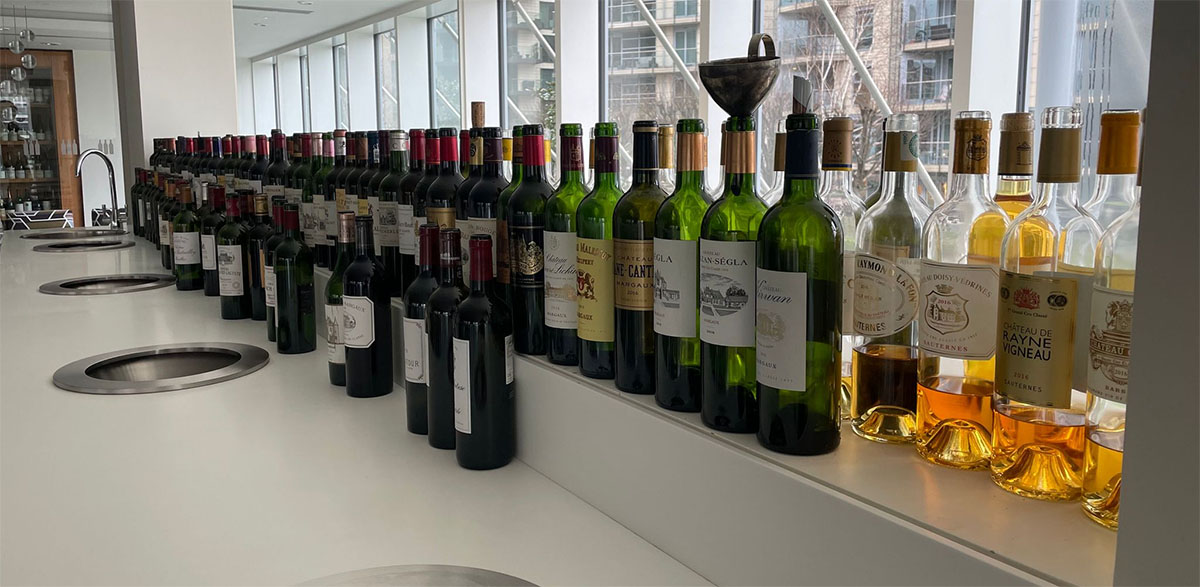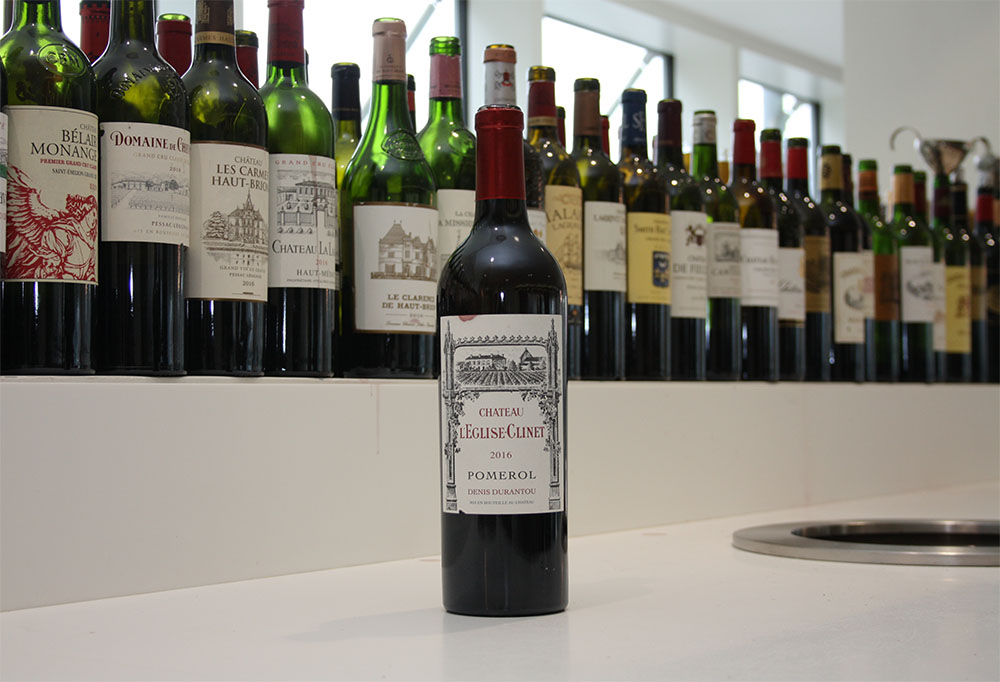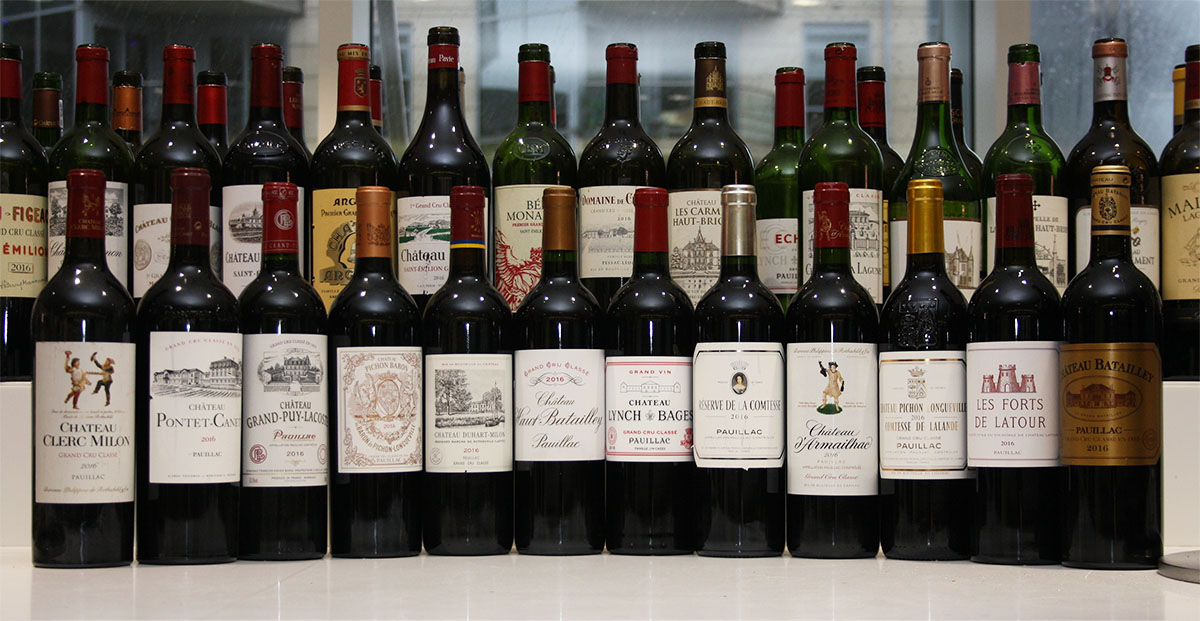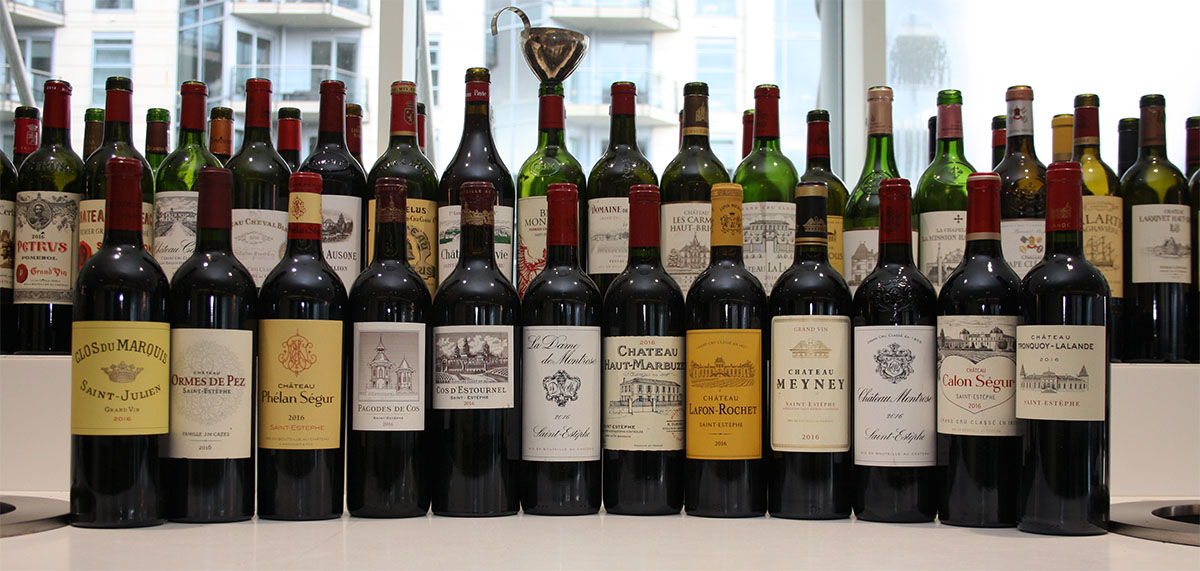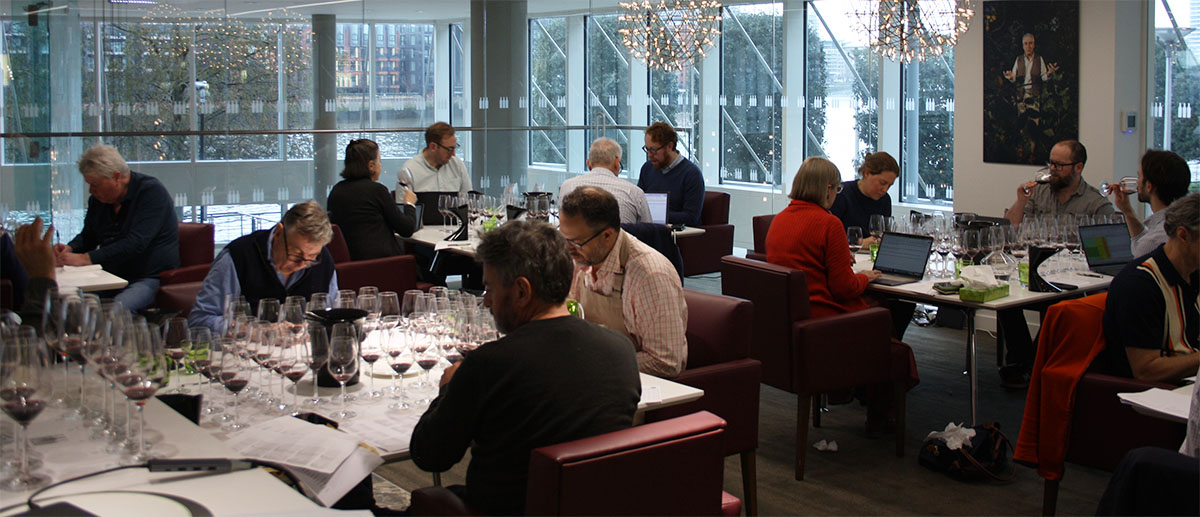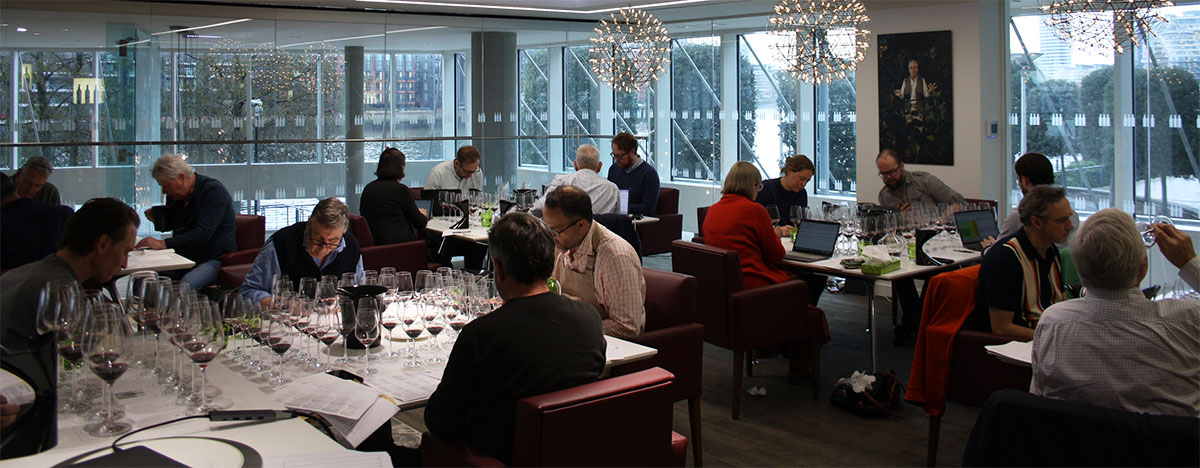
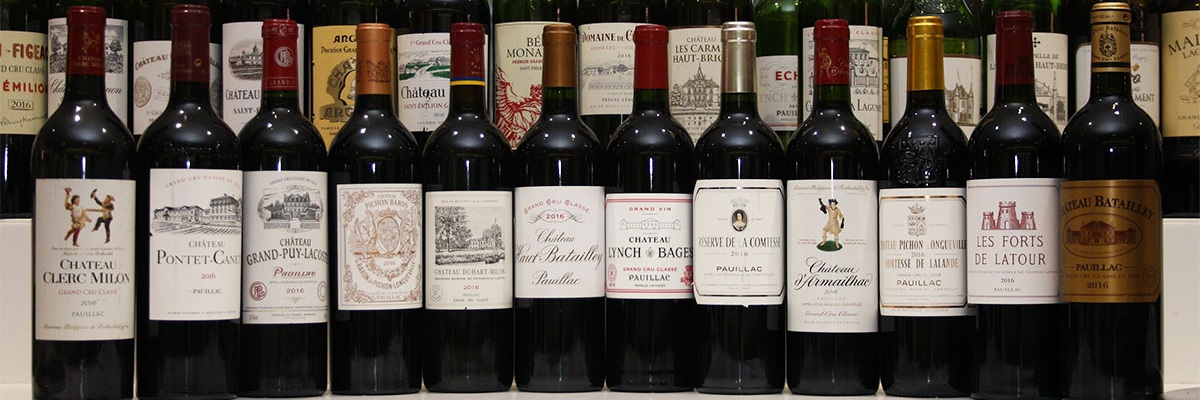
Hot on the heels of the 2022 Southwold Group tasting came the 2016 Ten Years On tasting, one that promised so much for a vintage many consider to be the greatest of the last decade, bridging old school proportions, refined but deep structures and cool ripeness of fruit. These wines have been difficult to get into in youth but now, at ten years old, are they ready to drink and do they live up to their lofty status? 21 tasters assembled at Farr Vintners HQ, including writers Neal Martin and Jancis Robinson; eleven of us are Masters of Wine.
I have always loved this vintage. The structure, fruit and balance all mean that these wines could not be from anywhere else but Bordeaux. It is the least sweet of the modern greats, but all the better for it in my view. Alcohols are more modest, tannins are upright, and there is something deliciously savoury to the fruit. Looking back at the report on the Southwold tasting of the vintage, written by our Chairman Stephen Browett, the conclusions were “I cannot recall a vintage that was as consistently good as 2016” and that “2016 is really a perfect modern vintage.” Now, at a decade old, the group was excited to see if these wines were as good as they remember.
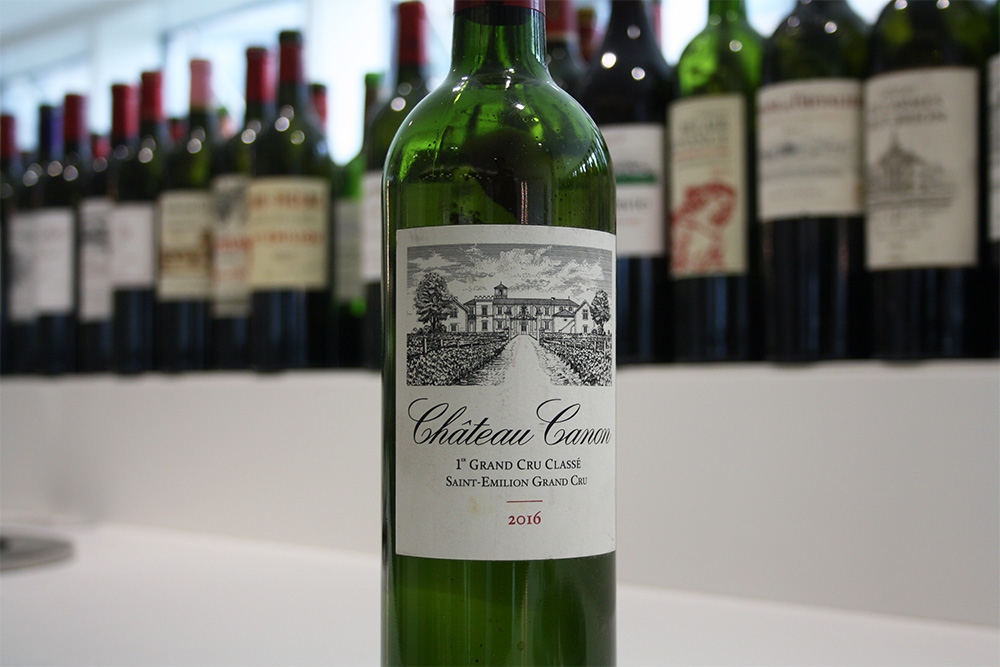
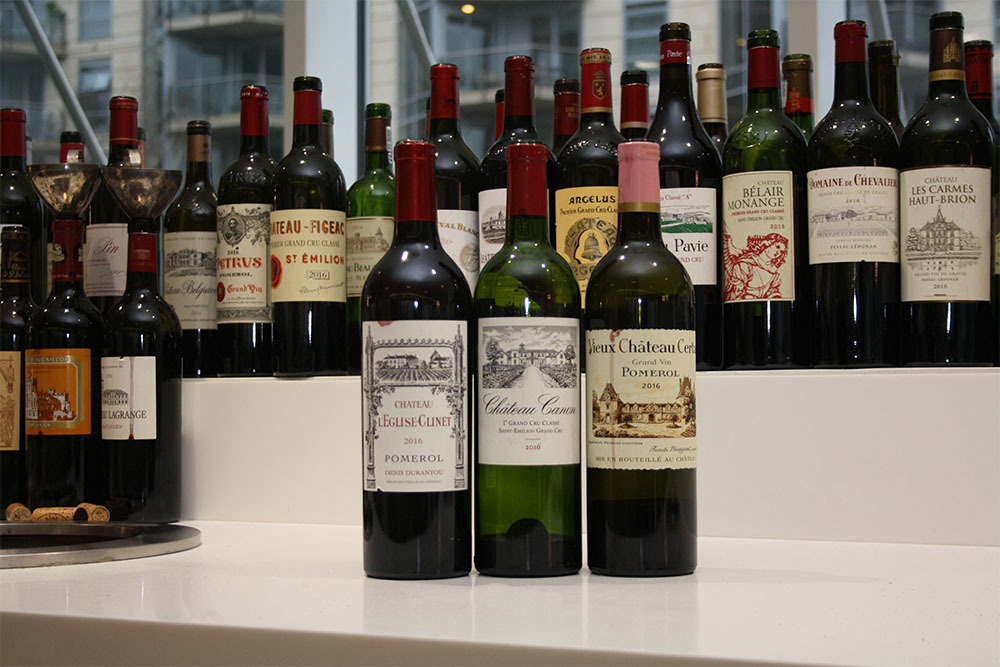
It is far from the first time this has been said, but Saint Emilion was still in transition from Parkerised, extracted and high alcohol wines to the more fragrant and purer, terroir-driven examples we see today. There were unfortunately a number of wines struggling with high alcohols, over-ripe fruit and at times oxidation as any of the vintage’s freshness was left behind in favour of power and sweetness. Thankfully there were wines that set themselves apart, namely the idiosyncratic Tertre Rôteboeuf, which has always danced to its own tune, Figeac with its Cabernet-led stylings, and at the top Canon (also with 25% Cabernet Franc), which is a beautiful example of the appellation's pure, chalky drive and haunting aromatics when done correctly – I bought a case immediately after the tasting. 2015 gets all the plaudits at this château with its 100-point score, but this 2016 is a real hidden gem and is still less than £100 a bottle In Bond. Seek it out.
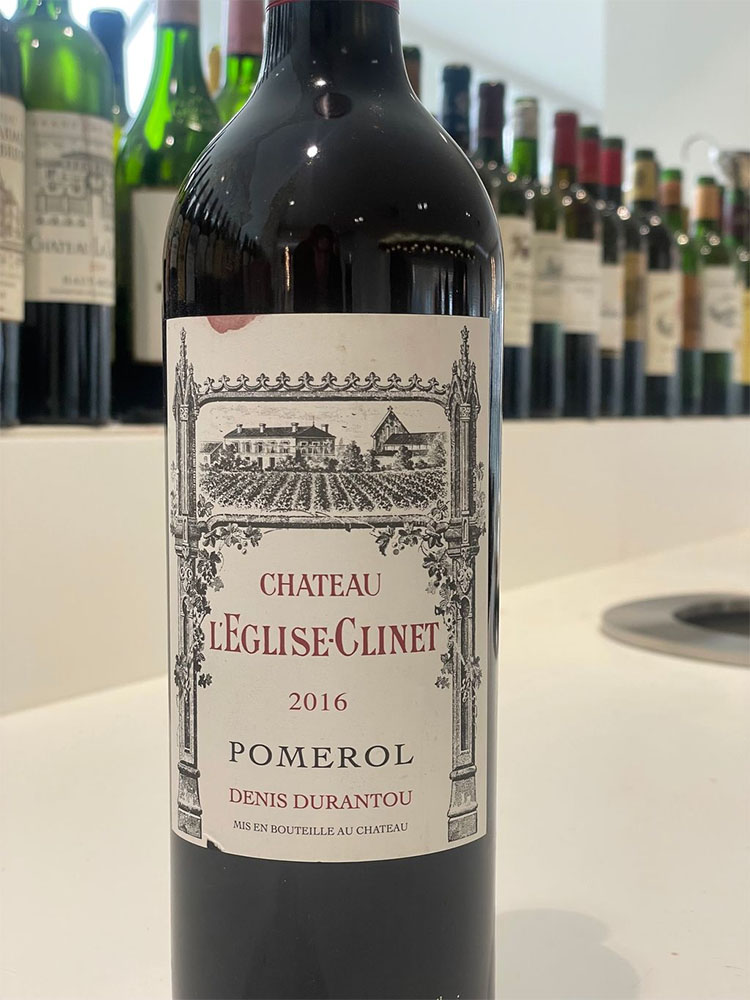
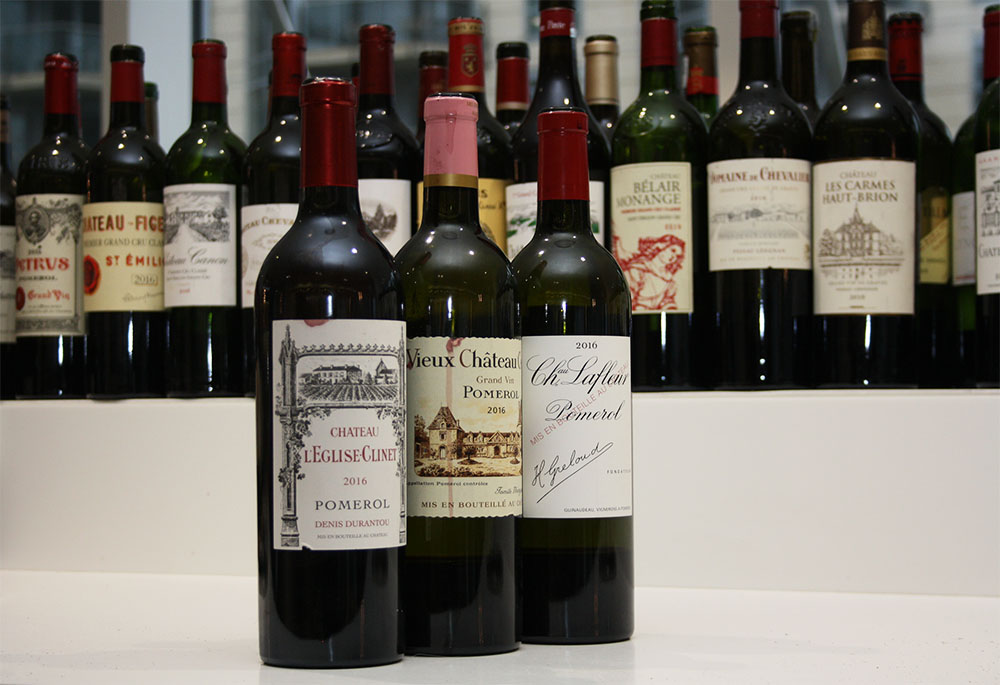
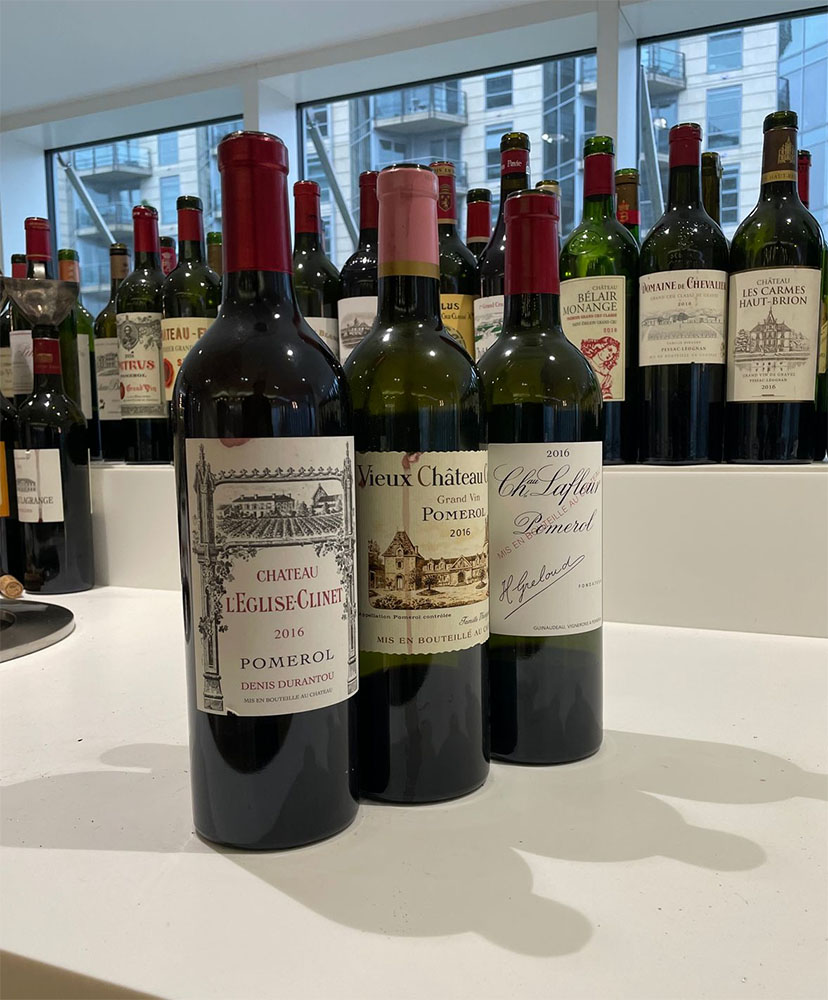
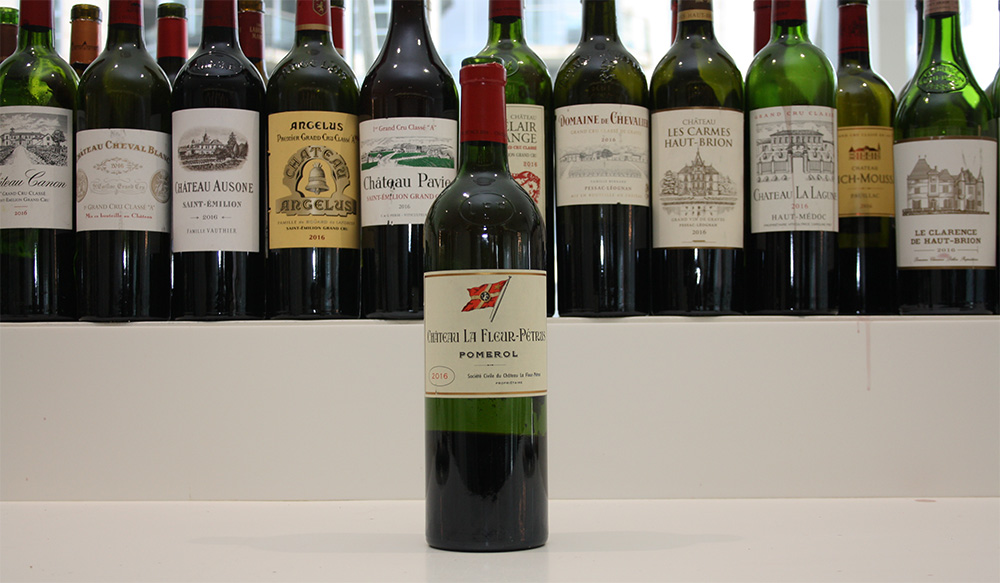
Pomerol was by far the more successful appellation on the right bank, not only due to its lack of extraction but because the natural roundness of the wines complemented the layered structure of the vintage. Lafleur won out – the Franc here perhaps together with Figeac and Canon alluding to the Cabernets' prowess in 2016 – its beautiful fragrance, deft balance and yet redolent fruit making for a beguiling wine. Eglise Clinet was just behind, a powerhouse that needs lots of time; and Vieux Château Certan (again, 30% Franc and 5% Sauvignon) came third, with beautiful aromatics and a direct, layered palate. The value picks from the right bank were the Durantou satellite wines, but overall, there were more options at lower price points on the left bank.
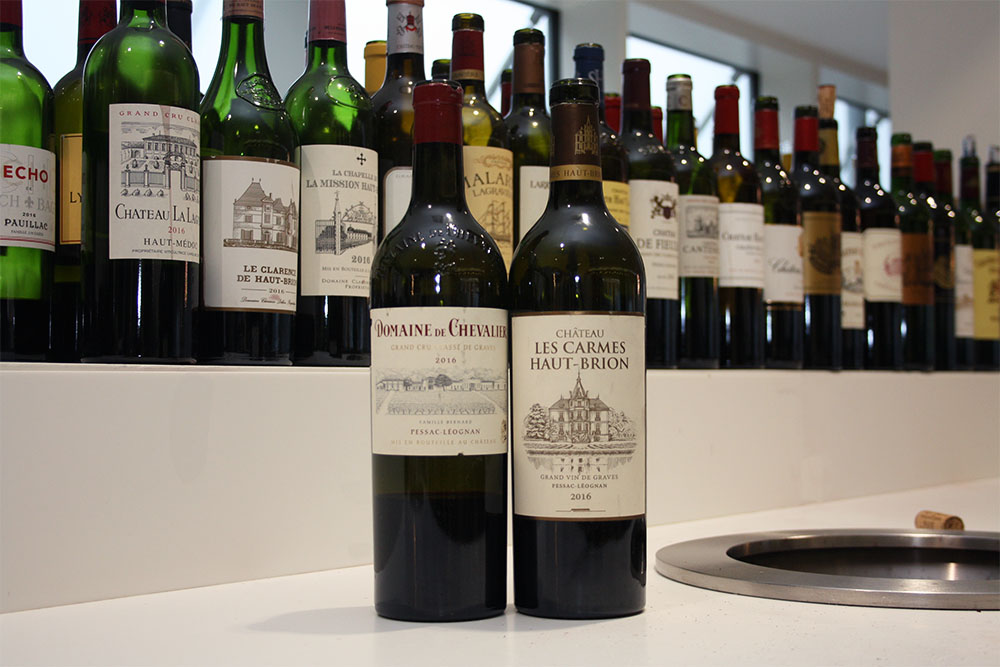
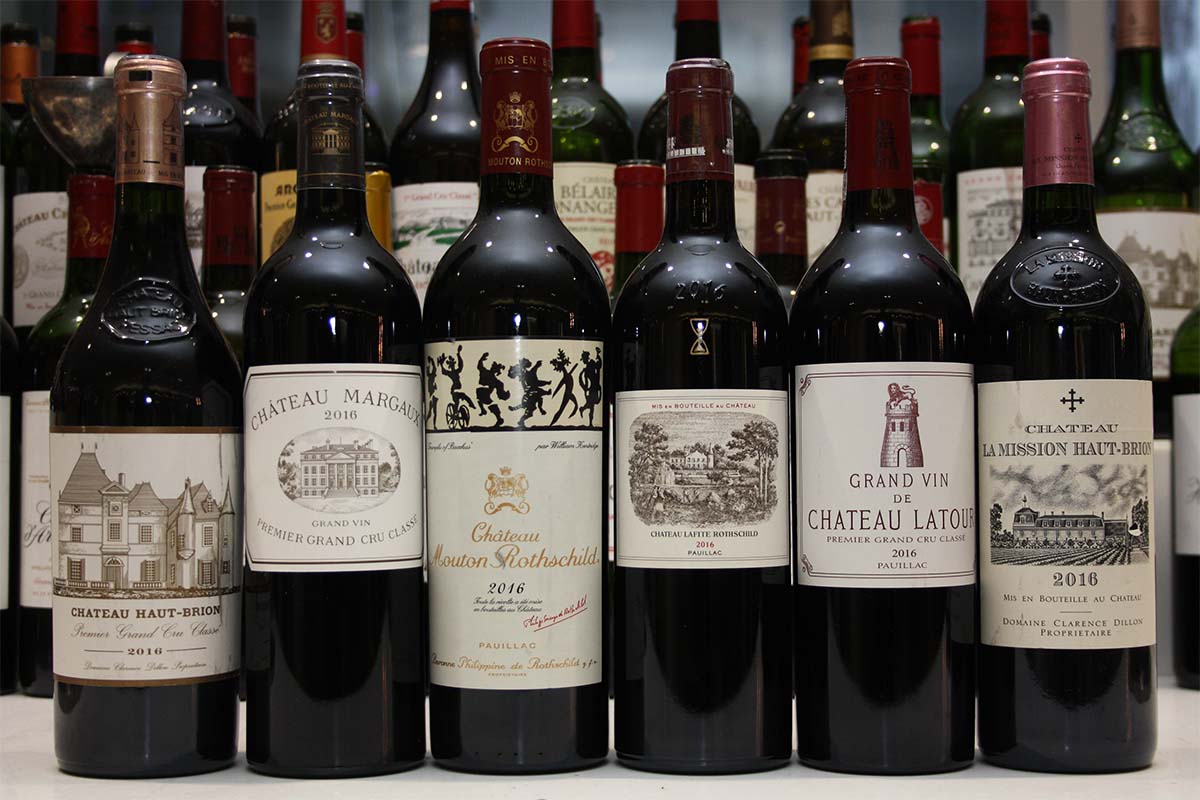
In a reversal from the Southwold 2016 tasting, La Mission pipped Haut Brion to the post in Pessac, while Les Carmes Haut Brion took third place. This vintage is from the early stages of this wine’s revolution, but it is quite clear that the hallmarks of the great wines to come are already on show in this perfumed, complex and eminently drinkable wine. One to look for. The other stars of this appellation did well but perhaps didn’t reach the heights some expected. It was the first instance where it felt as though tasting so many tannic wines in a row required real attention to find the very best wines, and to appreciate the innate quality of the vintage.
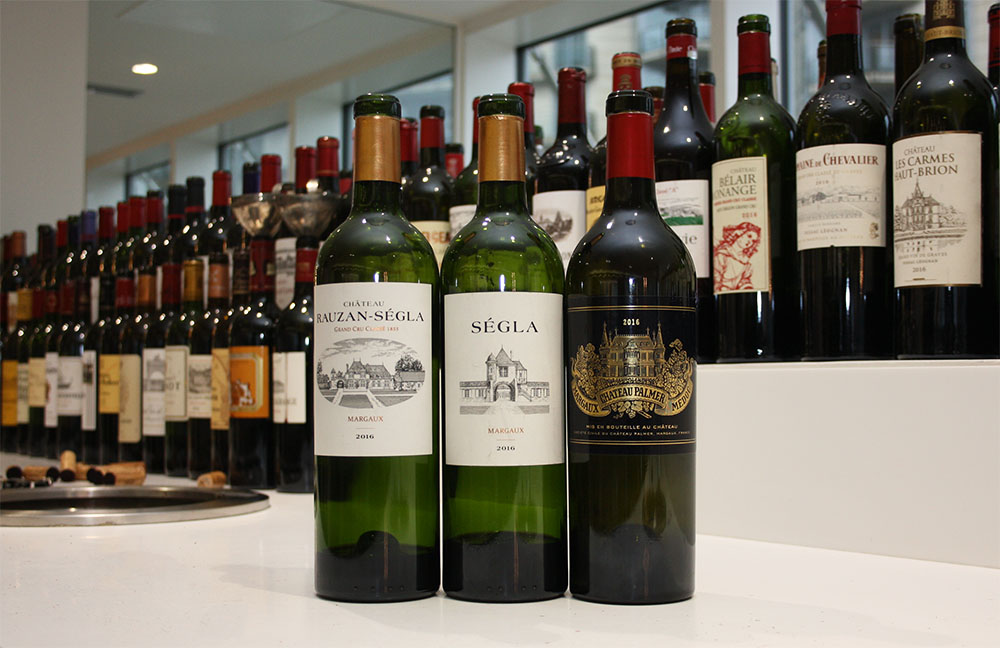
In Margaux we found much as expected, that the incredible 2015s in this appellation do outshine the 2016s overall, simply for their perfume and approachability. However, the nuance and structure here still offer plenty of enjoyment. Château Margaux came out on top, chiselled, layered and precise. In second was the luxurious Palmer, which needs a little time to knit fruit and wood but has such concentration that it will doubtless make great old bones. Rauzan Ségla nipped at its heels – this is the other side of the coin; where Palmer was rich and decadent, Rauzan was all about restraint, aromatics and dynamism. Both are fantastic wines and choosing one will be a case of personal preference.
Once we hit the heart of the Médoc we saw outstanding wines in each appellation, and an increased consistency that meant there were superb choices at all prices. Léoville Poyferré was the winner and, in fact, beat all but one of the first growths outright. It is a scintillating wine from this estate, its natural power and sweetness aligning with the vintage’s focus and depth. Quite frankly, it is an absolute bargain for a second growth in such a vintage anyway but based on this performance it is a wine any serious Bordeaux collector must have in their cellar. In second place and not far behind was Las Cases, a wine that I struggled to get on with from barrel but which is now showing its pedigree. This wine needs time, but it will be one of the best and longest-lived wines of the vintage. In third was Langoa Barton, its charm winning over the group, and you can get stuck into it now. Personally I had its bigger brother Léoville Barton ranked higher; it’s still an incredibly youthful wine and not ready to drink but the bones here are quite marvellous. It would undoubtedly do better in a 20 years on tasting. Value options abound here, too, including a Gloria and Lagrange that are both stellar and in their house styles.
Pauillac saw the quality of the vintage continue to rise. The top first growth was Mouton Rothschild, not something that happens too often in recent vintages but the plush, layered style of this wine seduced many of the group (myself included), and with the serious nature of the fruit in 2016 the combination was a delight to see. It did not, however, come top in its appellation. That prize goes to a truly outstanding Lynch Bages, which was the top scoring wine of the entire vintage. I am always a fan of this property’s muscle, structure and depth, but in a vintage like this it could have been too much. Not so – the wine is obviously powerful, and needs another decade in bottle, but it is the refinement and detail to match the weight and intensity that is remarkable. There is a rich history of great vintages at this château, but this must be one of the best ever, competing with their 2009, 2010 and 2019. A fantastic achievement. There are other Pauillacs well worth considering too – Pichon Baron completes the podium and is a marvel too, perhaps a little more shy but equally as pure and focused. Lalande by contrast is all cashmere texture and seduction. Though understated, I also thought Grand Puy Lacoste was a triumph – it’s the kind of Bordeaux you could drink a bottle of to yourself – layered, sophisticated, cool and athletic.
Saint Estèphe was another success, perhaps not reaching the consistency of its two northern Médoc neighbours but with a clutch of serious wines. It was here we had the most remarkable result of the tasting. Ormes de Pez – like its stablemate Lynch Bages – is an outstanding wine. I drank this at the château last month and was very impressed, but I could not have predicted it would win the Saint Estèphe flight and to come so high overall. Many readers will likely have seen Jancis Robinson’s articles on her website and in the Financial Times, but the slick precision, vintage-clarity and downright delicious nature of this wine saw it rise to the top. It is the value pick of the vintage without doubt. Second came Montrose, which was my top wine of the flight. Like Pichon Baron or Lynch Bages, this wine needs significant time in bottle before it will be ready. But like those, the density, structure and savoury, refreshing fruit make it another one to watch. Though it might be a little more shy than the incredible wines made here in the last 7 years, as it grows in bottle it may well compete with the very best in time.
As a vintage this is a good but not great one for Sauternes and Barsac - and quite variable from wine to wine. Botrytis was late and led to producers sweating on when to pick and how much risk to take, pushing ripeness with a potential loss of yield. Suduiraut, which has been on a run in our recent blind tastings, was comfortably the winner. This luxurious, powerful and complete wine felt almost from another vintage. It is explosive, complex and downright delicious - you can drink it now or over many decades to come. Most impressively, it had multiple facets of botrytis on show - ginger, saffron and marmalade - together with succulent fruit and refreshing acids. This is a great wine, regardless of vintage. Many of the good but not great wines just had the fruit and bright acidity yet lacked a little depth. Yquem was another wine that managed to provide both freshness and complexity, coming second overall ahead of Rieussec in third.
There was a fair amount of discussion about this vintage after the tasting as to where it sits in recent history and whether it can still claim to be at the very top (or at least tied at the top). In the end, the group concluded it can. Questions rose over the consistency, particularly of the right bank and particularly Saint Emilion, versus a vintage like 2019. But, the outright quality is there. Yes, the region has advanced in the last decade stylistically, but the underlying nature of these wines is beyond doubt - this is an outstanding vintage.
It is also worth noting that this is a particularly difficult time to taste such a grippy, structured year. Many of the best wines are still shy, and tasted in such a number over two days there is inevitably a tannin fatigue to consider. I have been drinking the 2016s at home for the last year or two and there is no doubt in my mind that as intended, with food, they are delicious, moreish wines that have a poise due to more modest alcohols, the coolness of fruit and their unerring finishes. These wines, too, could not be from anywhere else and straddle the old and the new in the region. I own a fair amount of 2016 and I could not be happier: this vintage is what Bordeaux is all about, and as these wines start to hit the peak of their powers there is so much to love in their appetising crunch and refreshing but ripe fruit. They are wines that make you thirsty. There are, too, wines that rise above their station and deliver incredible value for money - another sign of greatness. The vintage is at its best in the northern Médoc, where there are scores of wines to be enjoyed, but no appellation should be discounted in a year that will please seasoned Bordeaux lovers and newcomers alike.
Below you can see an updated ranking of the last ten years in tiers, the best wines in each appellation, and a shortlist of wines that offer value for money.
Top Wines by Appellation
Saint Emilion – Canon
Pomerol – Lafleur
Pessac-Léognan – La Mission Haut Brion
Margaux – Margaux
Saint Julien – Léoville Poyferré
Pauillac – Lynch Bages
Saint Estèphe – Ormes de Pez
Sauternes/Barsac – Suduiraut
Worthy mentions and value picks:
Montlandrie, Cruzelles, Carmes Haut Brion, Domaine de Chevalier, Rauzan Ségla (and Ségla), Langoa Barton, Lagrange, Pichon Baron, Grand Puy Lacoste, Marquis de Calon & Pagodes de Cos
Vintage ranking, decade to 2022 :
Fighting for first: 2016 & 2019
Top tier but just behind: 2020 & 2022
Second tier: 2018, 2015, 2014 (northern Médoc)
Third tier: 2014 (elsewhere), 2017, 2021
Bringing up the rear: 2013