2024 was not an easy vintage for Bordeaux by far. Spring and autumn rains put serious pressure on the vines, forcing draconian selection and significant work in both the vineyard and the winery to produce the best wine possible. Many producers made the point that had this season come in the 1990s, they would have struggled to make a wine at all. Yet, in this difficult year several properties have produced admirable wines with focus, energy and vibrancy, beautiful aromatics and modest alcohols. There are good wines from both sides of the Garonne this year but, if anything, we preferred the plumper mid-palates and slightly softer acidities on the right bank. The dry and sweet whites are outstanding - the weather conditions were perfect for creating wines with real backbone, intensity and tension.
This vintage is unquestionably better than 2013, with the owners considering vintages such as 2021, 2017 or 2014 as comparable in style and quality. It is not a vintage to buy indiscriminately: some big names did not fulfil their potential and wines that can offer great value in some years did not always hit the mark. Second wines, by and large, struggled. Selection was arguably the key element in making a good wine, as the drop off in fruit quality could be steep. Yields are therefore down, significantly so in many cases. Buyers should choose carefully, and take care to read up on the wines that pique their interest.
Price reductions are expected - and needed - in the current market. Châteaux will have different strategies this year, but we expect releases to be quick and there should be some value for those who come down to the right price. There will likely be wines that are the cheapest available on the market in any vintage. You can view all our listings here or by clicking on any of the pictures on this page. Notes from our Chairman, Stephen Browett are here. As ever, Farr Vintners will offer regular updates with impartial advice on quality and price.

The UK Farr Vintners buying and sales teams travelled to Bordeaux in April to taste the 2024 vintage in full force. There is no substitute for tasting with, and talking to, producers and our team now have a wealth of experience under their belts to guide you through the vintage. Tasting notes and scores (out of 100), written by our Master of Wine Thomas Parker, are available by clicking into the wines.
2024 would have been a disaster even twenty years ago for Bordeaux. The combination of multiple climatic problems would have resulted in a vintage like 1984 or 1987. It is only thanks to improvements in farming and winemaking, together with the financial power to make the decisions and access the necessary technology, that this vintage produced wines of any quality at all. As a result, this vintage is not another 2013. In recent years, it sits with the likes of 2021 and 2017 - tricky vintages which are far from homogeneous, but which have produced quality wines from a handful of producers. Quality is variable in 2024, and the vintage's downsides for those unable to navigate the year are dilution, astringency in tannin and a lack of flesh or body. The best wines still have the modest alcohol of the vintage (often below 13%), but have disarming, floral aromatics, pristine and bright fruit at their cores and fine but persistent tannic structures. Acidity is high, giving the wines a harmonious and fresh balance at their best but making them thin at their worst. Pierre-Olivier Clouet at Cheval Blanc describes the wines as "long but not large", a succinct and clear description for the year.
In recent years we have explained how the shift in farming and winemaking in Bordeaux has been critical to its success in producing great wines. If anything, it is more important in years like 2024. Canopy and soil management, spraying against mildew and rot, time in the vineyards and harvest timing and speed saw several forks in the road before the fruit made it to the winery. It paid to wait and take the risk of botrytis hitting the vineyard so that the fruit could ripen. The time between veraison (the changing of colour in the berries) and harvest was long, over 60 days in some cases as picking went on into October. The Durantous de-leafed more than usual in the build up to harvest at Eglise Clinet, creating airflow to stop botrytis and allow the fruit to ripen before picking. They also harvested with significant sorting in the vineyard - it took three hours to harvest what normally took one hour, but the result was clean fruit in the winery. Cheval Blanc closed their offices and put everyone in the vineyard as a plot was hit with botrytis sooner than expected, picking eighteen hectares in two and a half days when it would normally take seven.
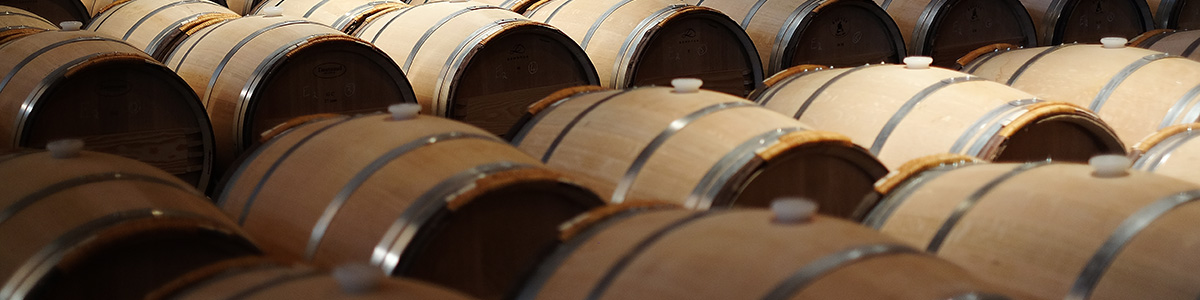
Work did not stop there. Many producers sorted their fruit three or four times in the winery: uneven fruit set meant each bunch could have botrytis, under-ripe and green fruit mixed in with perfectly ripe berries. Hand sorting was essential. Optical sorting machines were used by most of the top properties to filter out bad fruit. Densimetric sorters were also used by several of the producers who had access financially and physically to the machines, which were in serious demand. Here, fruit is effectively passed through a bath of water or sugar solution to isolate clean fruit with high enough sugar content to produce wines with ripe flavours. In a throwback to the last century, chaptalisation was common, especially for the Cabernets which could come in at under 12% alcohol. Reverse osmosis and saignée (bleeding of dilute early juice from the skins) were also used to concentrate flavours. Knowing what to do with which plot and when was complicated. Concentrate a plot that had imperfect flavours or structure and this only served to emphasise the weaknesses. Tannin management was also important - over-extract under-ripe skins and the palate could be dry and astringent on the finish. Carmes Haut Brion's established method of passive extraction through a submerged cap process gave it a distinct advantage in terms of producing a cashmere texture, as did the use of whole bunches in softening acidities through the potassium in the stems.
It is easy to see why this vintage is so varied. It was a year where those who had the expertise, and the finance, to do what was needed at the right time rose above the rest. Producers needed to take risks, have access to the right machinery, and have the best terroirs. They also needed to cover significant losses in yield - Figeac's production is down 60% on 2023 and they are not alone in sacrificing large volumes in order to raise quality. Many top producers sold wines off in bulk, with others simply dropping fruit as they harvested in the vineyard and on sorting tables. Second wines, therefore, are not strong in 2024 - the drop off is significant and rapid. The Mouiex stable decided not to make second wines at all, assigning plots either as first label or bulk.
The best wines speak as much, if not more, of where they are from rather than the vintage. The aforementioned Carmes Haut Brion is a real success - this property has established itself as one of Bordeaux's elite, making wines of quality and personality even in the hardest conditions. Eglise Clinet (and the smaller Durantou wines) manage a ripeness and balance few achieved in the vintage. This is a year to follow producers, rather than the vintage as a whole. Quality is often where you might expect from the producers who have been on a roll recently, Montrose, Troplong Mondot, Léoville Barton, Palmer and Lynch Bages are examples of over-performers. At the top we thought Mouton Rothschild and Lafite were the better first growths, with Cheval Blanc hitting similar heights to Eglise Clinet on the right bank. There were successes in all appellations, but no singular appellation stood above the rest. The right bank seemed marginally better than the left from our tastings, having a little more flesh and a little less astringency, but there are no steadfast rules.
There is no clear and direct vintage comparison to make, but 2024 falls into the tier of vintages like 2021, 2017, 2014, 2008, 2004 and 2002. This is an achievement in itself as the conditions could easily have led to another 2013. But we are not talking about a great vintage, nor is the quality as good as in 2023. The balance will appeal to traditionalists - alcohols are rarely above 13%, even with chaptalisation, and the profiles of the best wines are athletic and nervy, built on tension and vibrancy rather than raw power and ripeness. The top wines are not mouth-coating in their tannins but there is a chalky persistency to the structures and lively acidity, both of which mean these wines should age well in the cellar.
The dry whites are outstanding. Haut Brion Blanc is arguably the wine of the vintage, closely followed by its stablemate La Mission and the likes of Domaine de Chevalier Blanc and Pape Clement Blanc. There are excellent wines at all price points here; the lack of hydric stress that made making red wine difficult really played into an intense, deep and serious style of white wine. Similarly the humid conditions allowed for botrytis in Sauternes, which has produced tensile, complex wines.
2024 is a vintage to navigate carefully. There are some very good wines with excellent aromatics, compact proportions and vertical intensity. It will pay to be selective, but for those looking for Bordeaux which is classically built yet refined by modern techniques, there are wines that will offer drinking pleasure. It is not a vintage of ripeness, exuberance or concentration, but one of seeking balance and the best wines have both personality and a real sense of place. We strongly advise buyers to follow the critics they trust, read our recommendations, and talk to our sales team to find which wines will best suit them.
Producers had to fight the weather in 2024 to make high quality wine. The style is inevitably tied to the conditions, but it was as much about preventing or minimising the effects of a season that threw a series of challenges at the vines. Yields are down: the lowest since 1991 for the region as a whole (though the pulling up of vineyards in recent years should be taken into account).
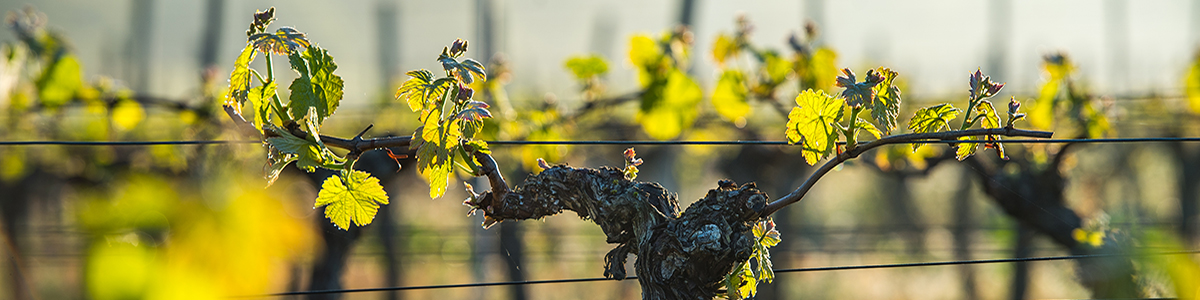
After years of trying to manage heat spikes and over-ripe flavours, sunburnt grapes and rapidly rising sugars, this year saw a return to the kind of work the Bordelais were used to a little over a decade ago. Leaf thinning, green harvests and well-timed spraying were all important to control disease pressure and give the fruit the best chance to ripen with good ventilation.
Winter was wet, as was spring, but it was not cold. The volume of rain the vineyards took through the early stages of the year was extremely challenging, raising the water table and even causing flooding - many were unable to get machinery into the vineyards to carry out work, greatly increasing the man hours needed to manage the vines. The combination of warmer conditions with this humidity meant mildew pressure was significant and started early - several producers either in the process of conversion or already certified organic relinquished their status in order to treat the vines and prevent a total loss of crop.
April saw localised frosts and hailstorms which could be devastating to some vineyards. Budburst was a little later than usual but fairly even, though mildew pressure continued and worsened through a wet May, with waterlogged vineyards and saturated root systems common. Free draining soils such as gravel were of great help both now and through the year. This weather pattern made flowering uneven and protracted - leading to bunches that would ripen unevenly. Pierre-Olivier Clouet at Cheval Blanc said that "every single bunch" was affected, something he has never seen since joining in 2004. Coulure and millerandage were widespread. This, as mentioned above, made densimetric sorting a real advantage for those who could access it, and made significant manual and/or optical sorting of great importance.
Summer brought drier weather, with Cheval Blanc showing us graphs of below average rainfall and above average temperature in July and August after a wet but warm June. Guillaume Pouthier at Carmes Haut Brion discussed the overall conditions, saying it was not a case of heavy water throughout the season, but early and late pressure combined with a summer that though dry, "did not have enough light". Temperatures raised and rains softened in summer, though cloud cover meant ripening was slow, humidity remained high and the water table did not recede as quickly as one might expect. This all served to prevent hydric stress in all but the most free-draining soils, slowing the ripening process. These warm months did, however, prevent complete disaster and veraison did, slowly, arrive.
September saw the rain return, and producers had to balance a risk of botrytis and/or dilution versus picking fruit that was not ripe. The Merlots started coming in from the third week of September, with much of the Cabernets picked in early October. Pickers were often mobilised at speed, trying to beat, but often chasing, rot. Assiduous sorting was therefore essential. Everything was picked by mid October when heavier rain started to fall.
Some wines will not be made this year. Lagrange à Pomerol did not ripen on its north-facing slopes, Hosanna's soils retained a high water table and again the fruit did not get ripe. Yields at the top names are low. Carmes Haut Brion harvested over 40hl/ha but through sorting produced under 30hl/ha. It is not uncommon to see yields under 25hl/ha. Sacrificing quantity for quality was an easy decision for those who could afford it.
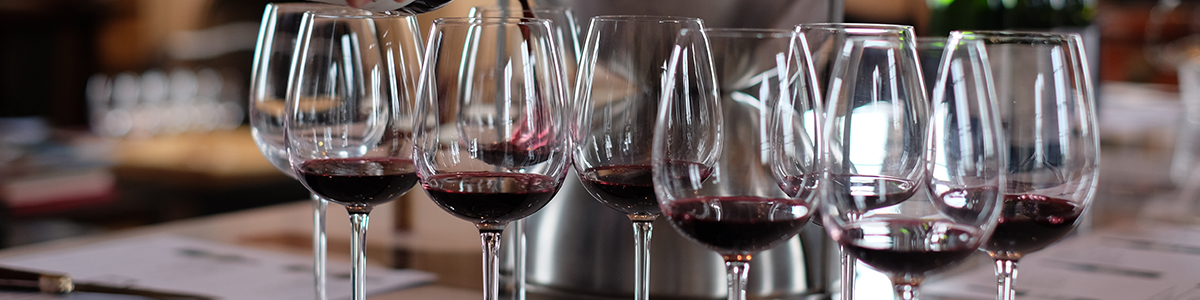
We will update the website with reviews from the major critics as their reports are released. There are more writers than ever passing judgement on Bordeaux barrel samples; it will be important to follow those with trusted palates and opinions when sorting through the notes and points. The scores and notes will be accompanied by Wines of the Vintage and Value Picks on our recommendations page.
The Wine Advocate report from William Kelley, supported by Yohan Castaing, is now out. Ripeness is at the heart of the discussion in an article entitled "Ripeness Is All". Opening with a frank assessment of the difficulties of the vintage, Kelley writes “few Bordeaux estates would willingly relive 2024.” Despite this, he believes “a handful of producers have, against the odds, delivered notable successes”, though he concedes this is “Bordeaux’s weakest vintage of the last decade”. Stylistically he describes the wines as “intensely flavored middleweights with good structure and energy, exhibiting integrated acidity and ripe tannin” at their best, with the vintage “a throwback, exhibiting flavors more familiar from the decade of the 1990s than more recent years.” “Dilution”, “shrill” acidity and “astringent tannins” mark the worst wines. The importance of free draining soils from great terroirs and the fact that the vintage “rewarded those who took risks in pursuit of fuller maturity” sees varied scores that can be low even for famous names. Indeed, Kelley speaks of Bordeaux much as one would of Burgundy, in that this is a year that “can only be understood on a producer basis”, praising wines with a strong identity. Many properties will be unhappy with their scores, but it is refreshing to see critics tell us what they think, rather than simply toeing the party line to keep everyone happy. The three top scoring wines are Cheval Blanc, La Conseillante and Pontet Canet, each with 94-96. Carmes Haut Brion is just behind. The top 20 wines of the vintage in this report can now be found on our recommendations page.
Neal Martin has now released his extensive report on Vinous. Overall he believes "2024 is a good vintage with limitations" and importantly that it is "an extremely inconsistent vintage where, unfortunately, quality drops away beyond the major names." Quality was limited to "those in possession of the best terroir, those with the deepest pockets and those who made the right decisions at the right times." On the whites, he says it is "much better for the dry whites" with "very good" Sauternes. To that end, Martin's wine of the vintage is La Mission Haut Brion Blanc with 96-98. Five wines merit 95-97 - Haut Brion Blanc and for red Lafite, Lafleur, Trotanoy and Vieux Château Certan. You can see his wines of the vintage in our recommendations page. Speaking of the vintage style, Martin calls it "pretty", expanding that "they are balanced. The spine of acidity lends poise. They are imbued with ample freshness and sapidity, often in the form of black olive tapenade, that encourages you back for another sip." He states "there remains a gap between consumers’ expectations on price and châteaux’s willingness to discount to that point" and that "Twenty-four is the ideal vintage for a reset", though concedes "Whether they take that chance is up to them."
Antonio Galloni has also reviewed the vintage for Vinous. In a report titled "Razor's Edge", he gives three wines 95-98 points - Rauzan Ségla, La Conseillante and Cos d'Estournel. Ten more wines receive 95-97, and there is a raft of wines with 94-96 or better in what is a very positively-scored review of the vintage. In the article, he says "the most skilled winemakers found a way to make gorgeous wines" but that "readers will have to be selective". Describing the wines he says they are "very aromatic" and that the best "exude balance" in what is a "frustratingly erratic vintage". He believes "2024 is far from the total disaster that early comments on the vintage seemed to suggest". In his overview he states that 2024 is a Left Bank vintage, believing St Estèphe and Pauillac to be particularly strong and Pomerol and Pessac-Léognan to be more inconsistent. He stresses the importance of élevage and comments too that it is "a very fine year for dry whites".
Lisa Perrotti-Brown MW has released her report on The Wine Independent, considering both market conditions and the vintage at once. Stylistically she says "The best wines deliver refreshing acidity, yet the under-ripe wines can be tart, while those with unchecked dilution tend to have low acidity." She focuses on the positive being "The dry white wines are the silver lining of this vintage." On the left bank, she believes "classified growths produced wines worthy of their status, albeit in a lighter, brighter, more refreshing style" and on the right "many elegant, bright, refreshing, soft-textured, and perfumed wines come from Saint-Émilion and Pomerol". However, she concedes that given the market, "there’s no incentive to buy now, unless it’s a really good deal on first growths or some smaller-production icon wines". Figeac is Perrotti-Brown's red wine of the vintage, but four of her top five wines are dry whites. Eight wines receive 95-97+ or more, but only half of these are red. These can be seen in our recommendations page.
Jane Anson's report is also now live, and she opens by saying "the vintage was better than expected" and is "clearly better than, for example, 2013 - and 2021 in the best cases", though she also tasted "many disappointing bottles". She believes that there are wines worth owning, "as long as the prices give compelling reasons to buy". Anson's highest scoring red wine is Eglise Clinet, which has a 97 point rating along with La Mission Haut Brion Blanc, Coutet, Pavillon Blanc and Champs Libres. In contrast to Galloni, she believes "there are more overall successes on the Right Bank than Left". As we noted, "white wines were a clear highlight" in this vintage, and she "would not recommend heading to 2nd wines". Styllistically, Anson believes "you are not going to find wines without acidity at all, but some have used it to their advantage – and it is worth remembering that high acidity vintages are not unusual in Bordeaux, and often have the ability to age extremely well."
James Suckling is usually first out, but this year he follows several other critics with a report co-written and co-tasted with senior editor of jamessuckling.com Zekun Shuai. His report describes a vintage that "in general was a weak and challenging year at best", but "which produced a few superb wines". He is optimistic about the releases, however, saying "I believe that the 2024 vintage for Bordeaux will be remembered more for its price than its quality". Styllistically he says "the top wines from our tastings are medium-bodied with fine tannins and a crunchy, bright character" but which are "not wines that are comparable to those from the top years of recent decades". He finds the wines "nostalgic" - "They remind me of modern renditions of years such as 1985 and 1995". Zekun Shuai believes "many young consumers would be attracted to these wines" due to their approachability. Despite the overarching statement that this is not a great vintage, Suckling and Shuai have given 19 wines 97-98 points or more, which is perhaps in contrast with the article itself. These are shown in our recommendations page.
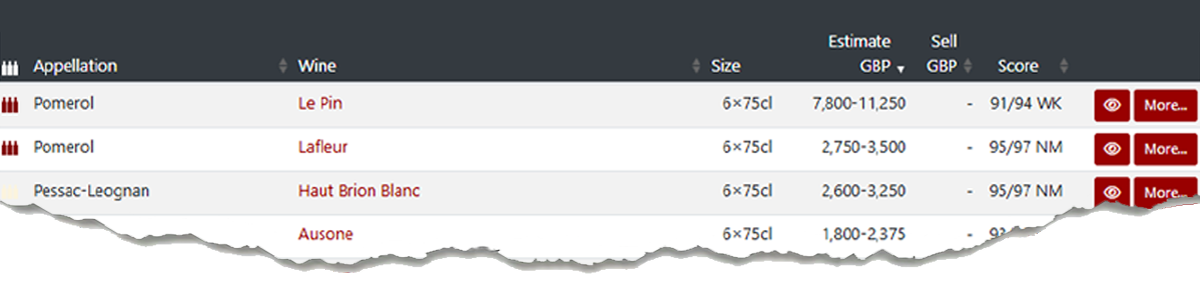
The story on pricing is much the same as last year. Political and financial turmoil makes this the hardest market we have seen for releasing a new vintage in recent history, particularly for a vintage like 2024. All regions and price points have continued to fall in price over the last 12 months, and we have stressed to producers that prices must come down significantly to be attractive to the consumer. It seems that message is clearly understood by many if not all châteaux this year. Given the quality of the vintage, it should be the cheapest available on the market if producers want to have a successful campaign.
To that end, our high estimates for 2024 releases are approximately 10% below the 2023 release prices. Wines that are released above this level will look expensive. Our low estimates are roughly 30% below the 2023 release prices. Prices must come down to a level that makes it compelling for the consumer - we do not expect high scores from the critics in 2024, and buyers can find wines at excellent prices for back vintages in the market today.
The campaign will start early and likely move at a fast pace, so make sure to complete your pre-orders and wish-lists quickly in order to access the most in-demand releases. Several big names (who normally wait to come out last and at high prices) plan to come out early and at prices that will entice customers back to purchasing their wines en primeur.
You can see our frank assessment of each release as it happens on our Latest News page. Recent releases will be shown on the What’s New page. We have kept the selection of wines available to pre-order and wish-list to those that have been our customers’ favourites in recent vintages, but other wines may be available on request. If this is your first time buying en primeur, there is an explanation about buying en primeur in general and specifically how to order using the pre-order and wish-list system. You can view all our listings here or by clicking on any of the pictures on this page.
If you have any questions or would like any advice on how to order or on what (or what not) to buy then please do contact the sales team or your account manager.