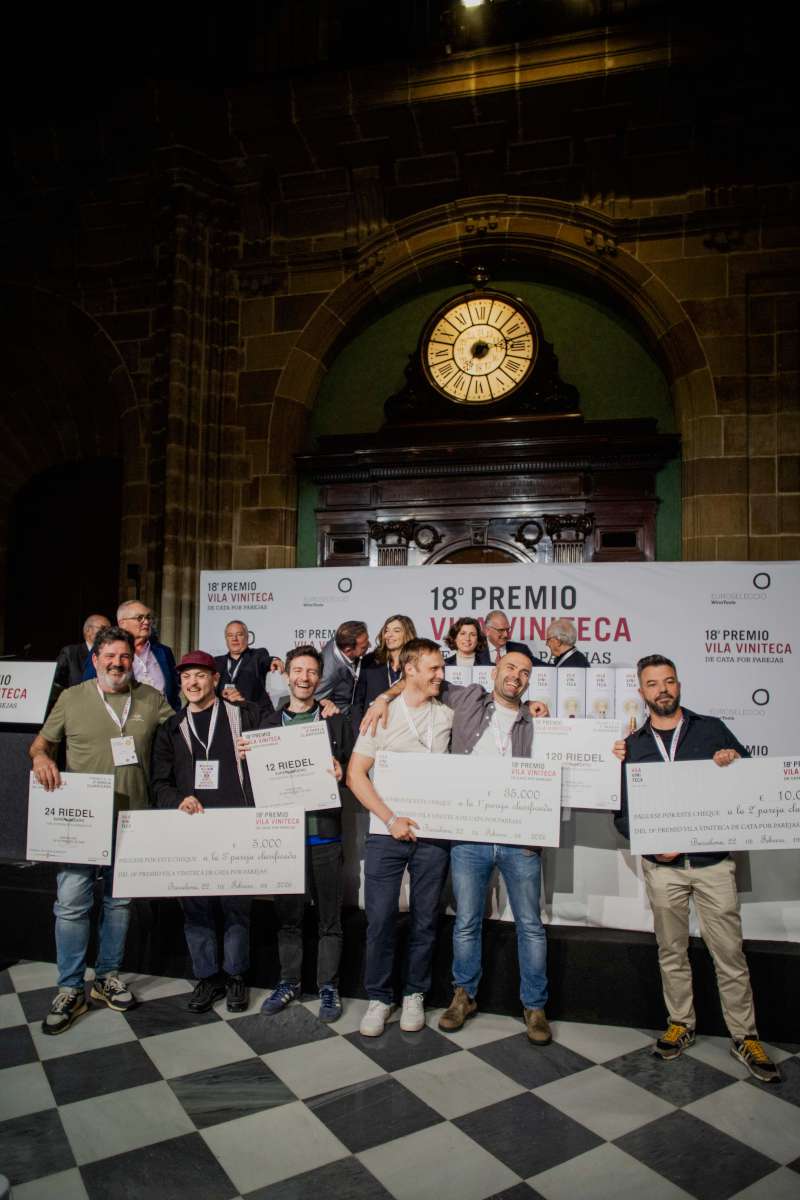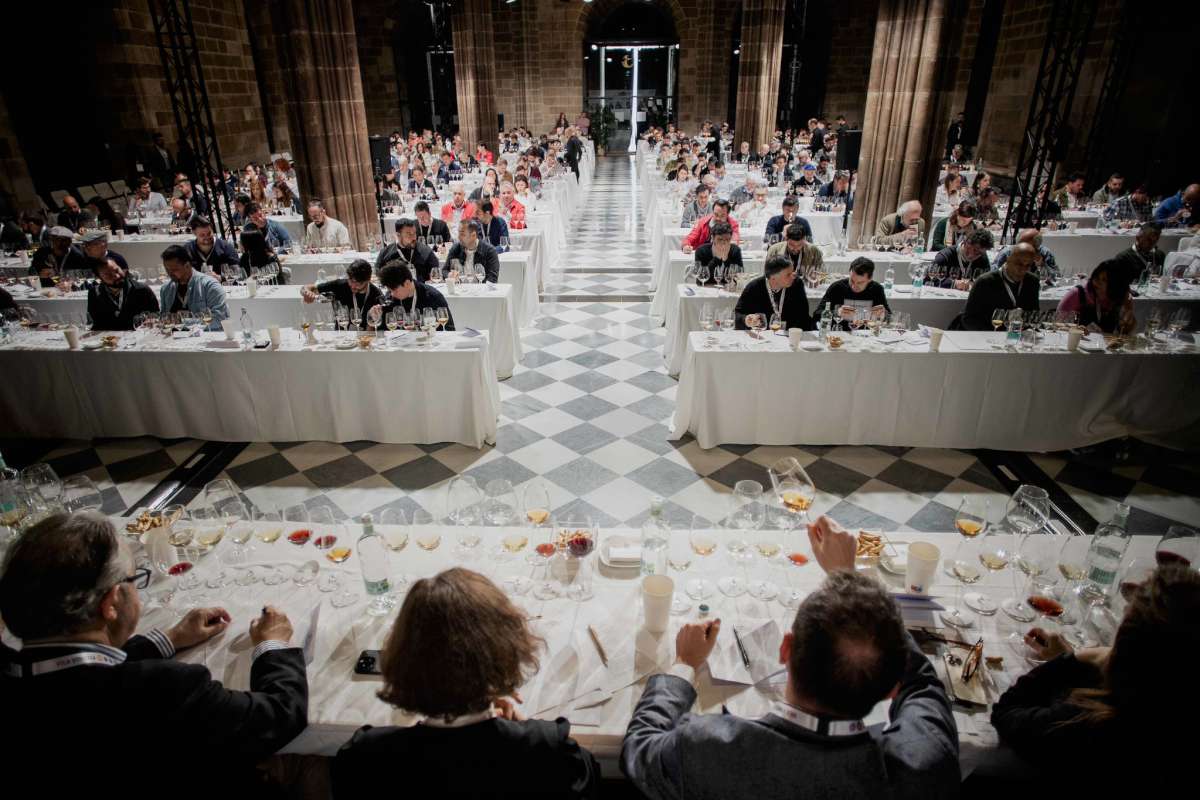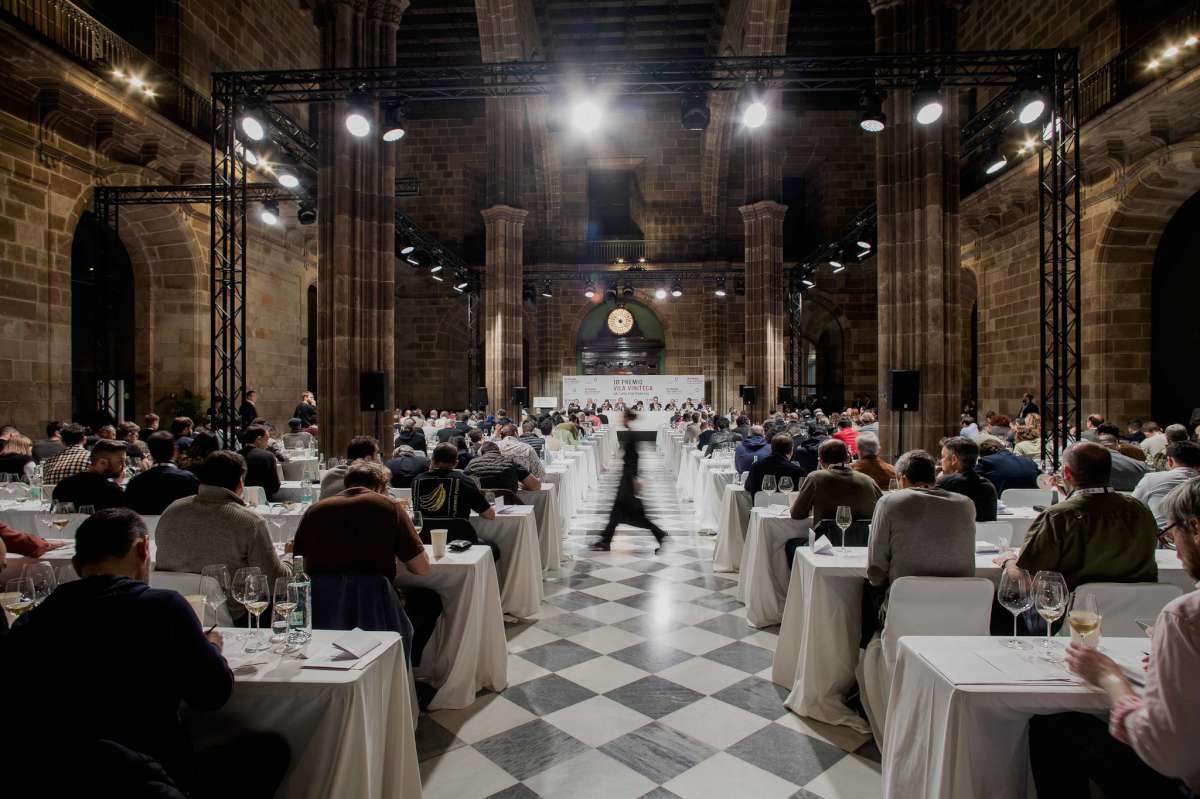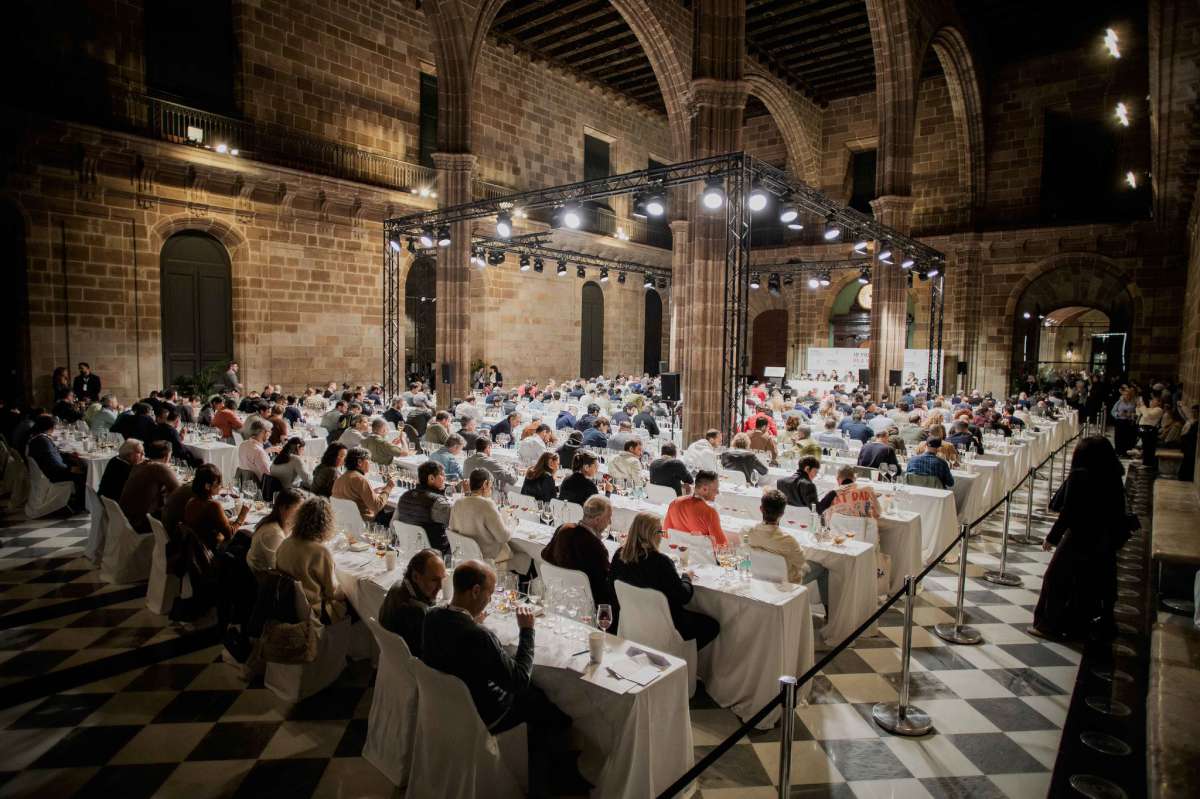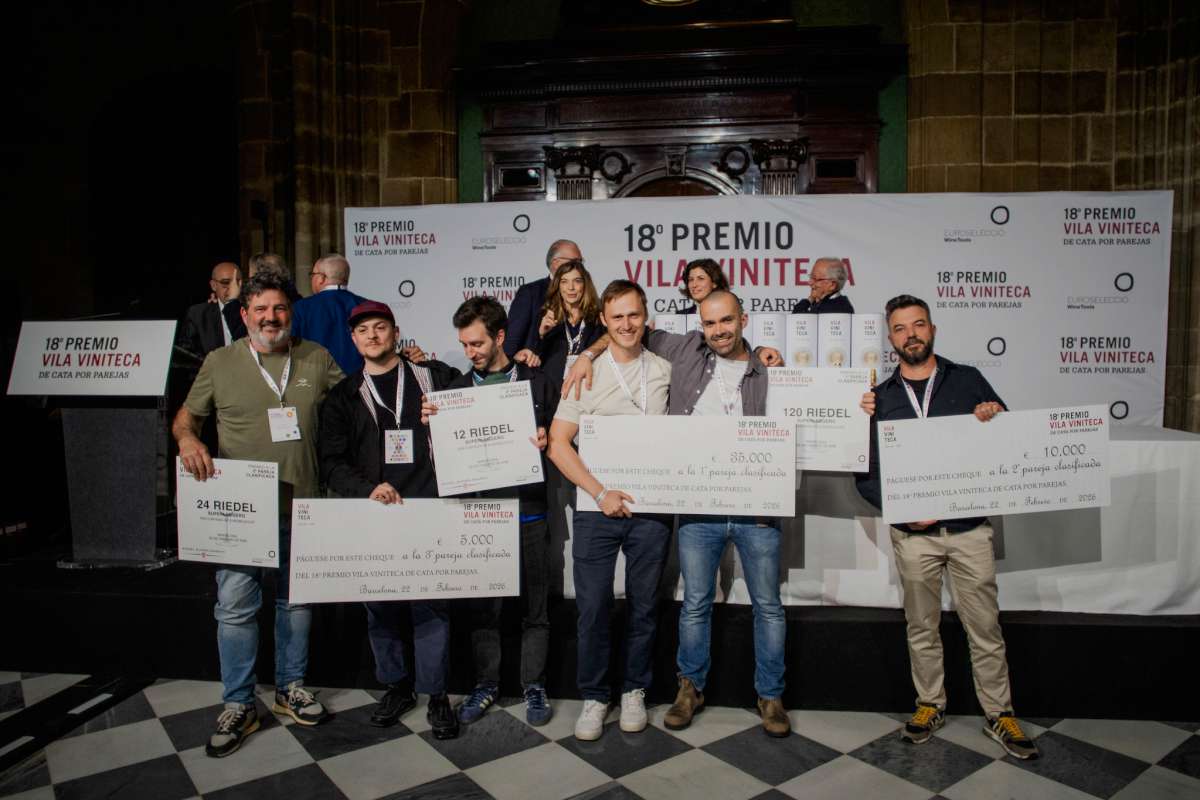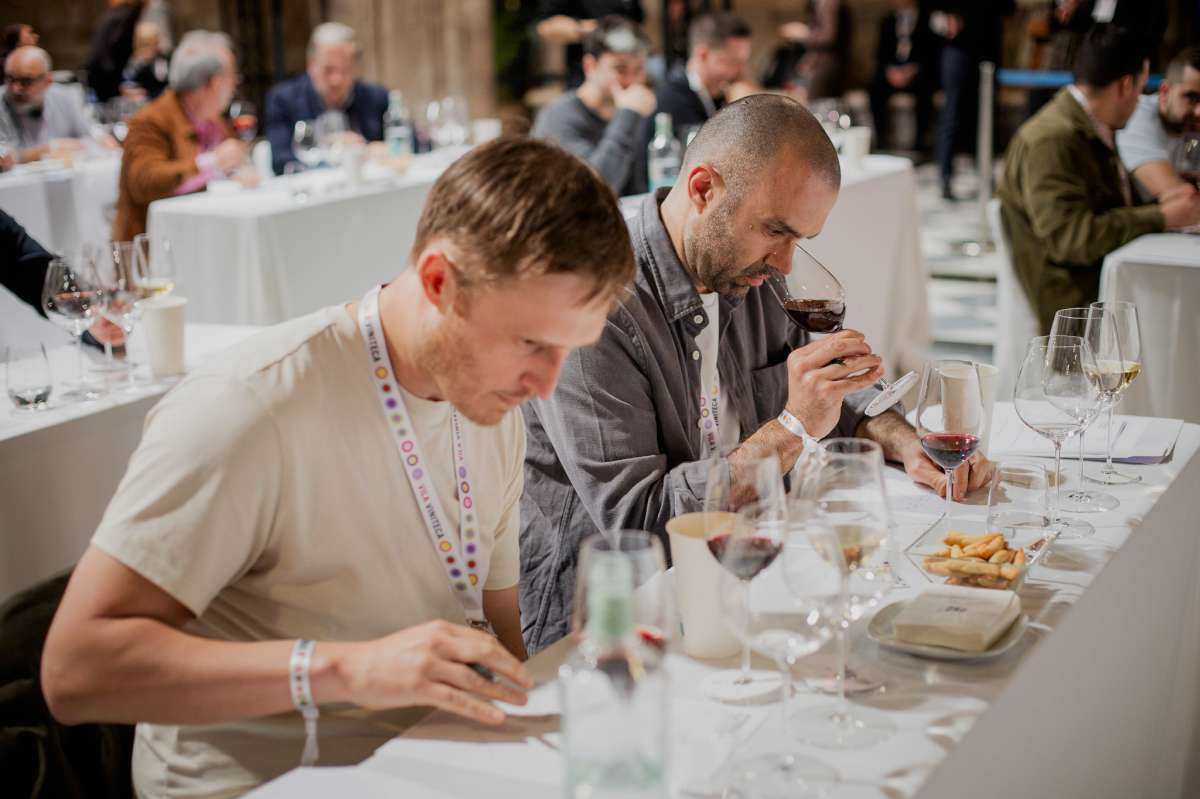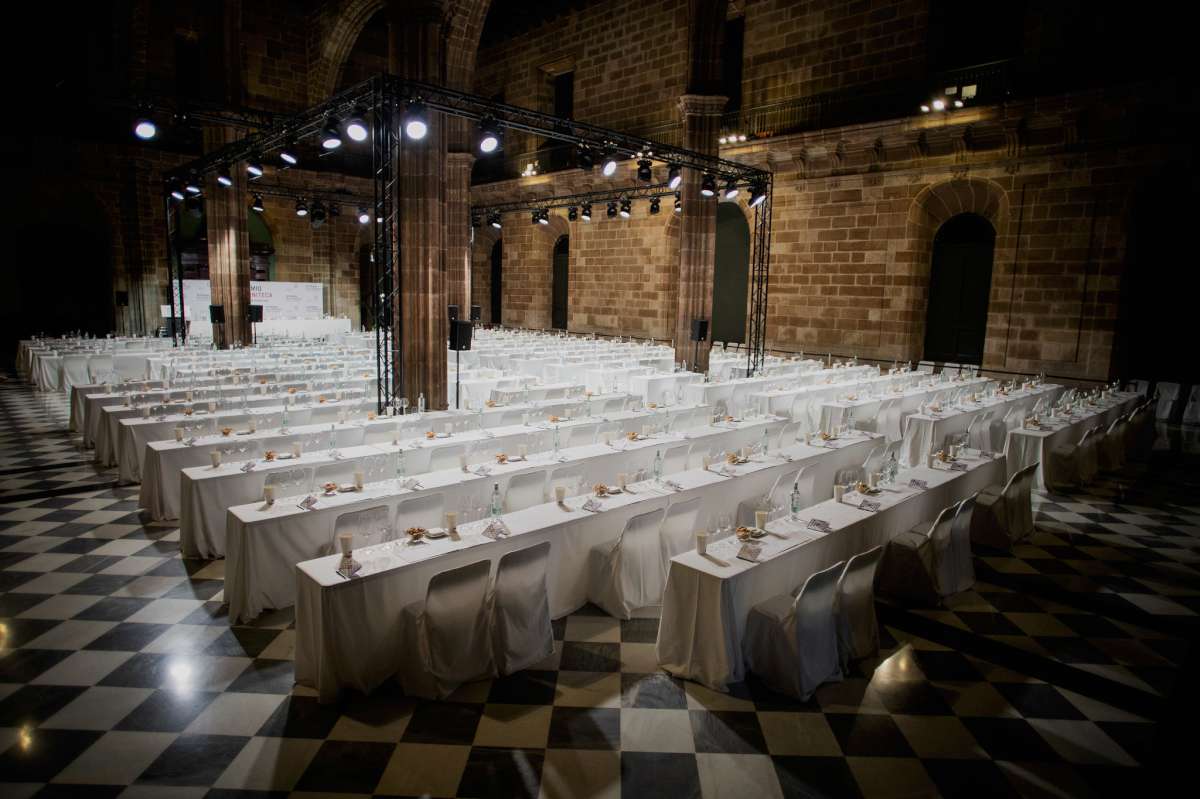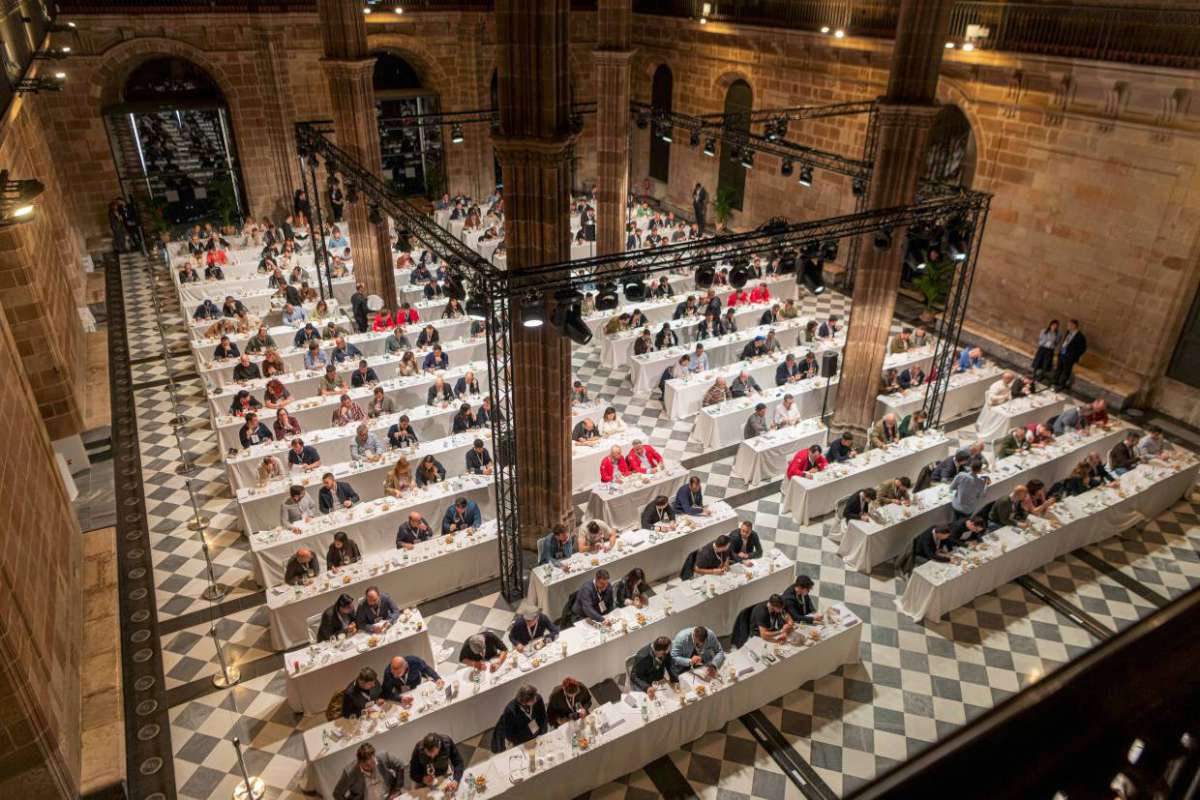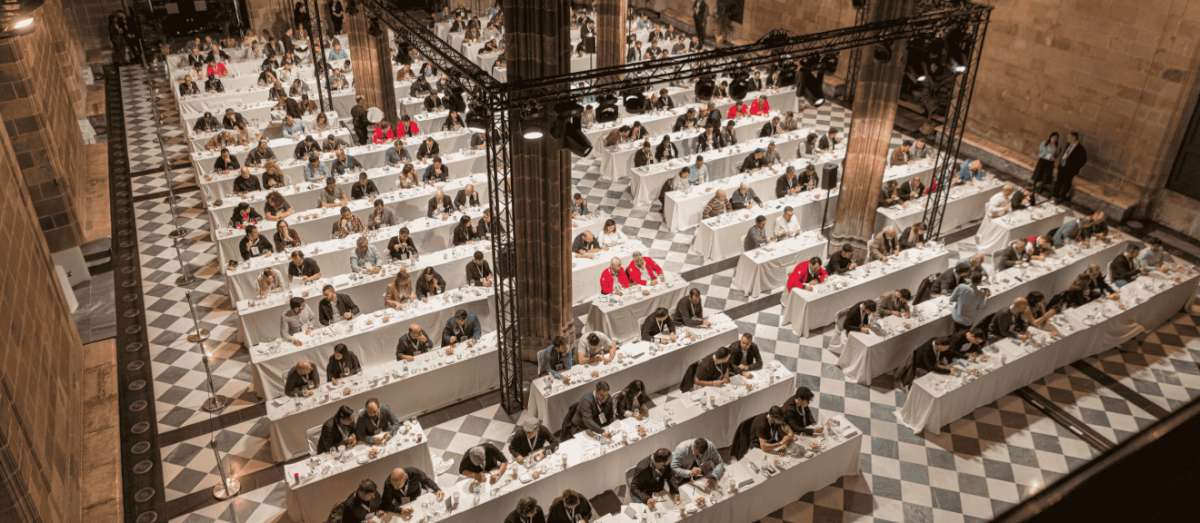
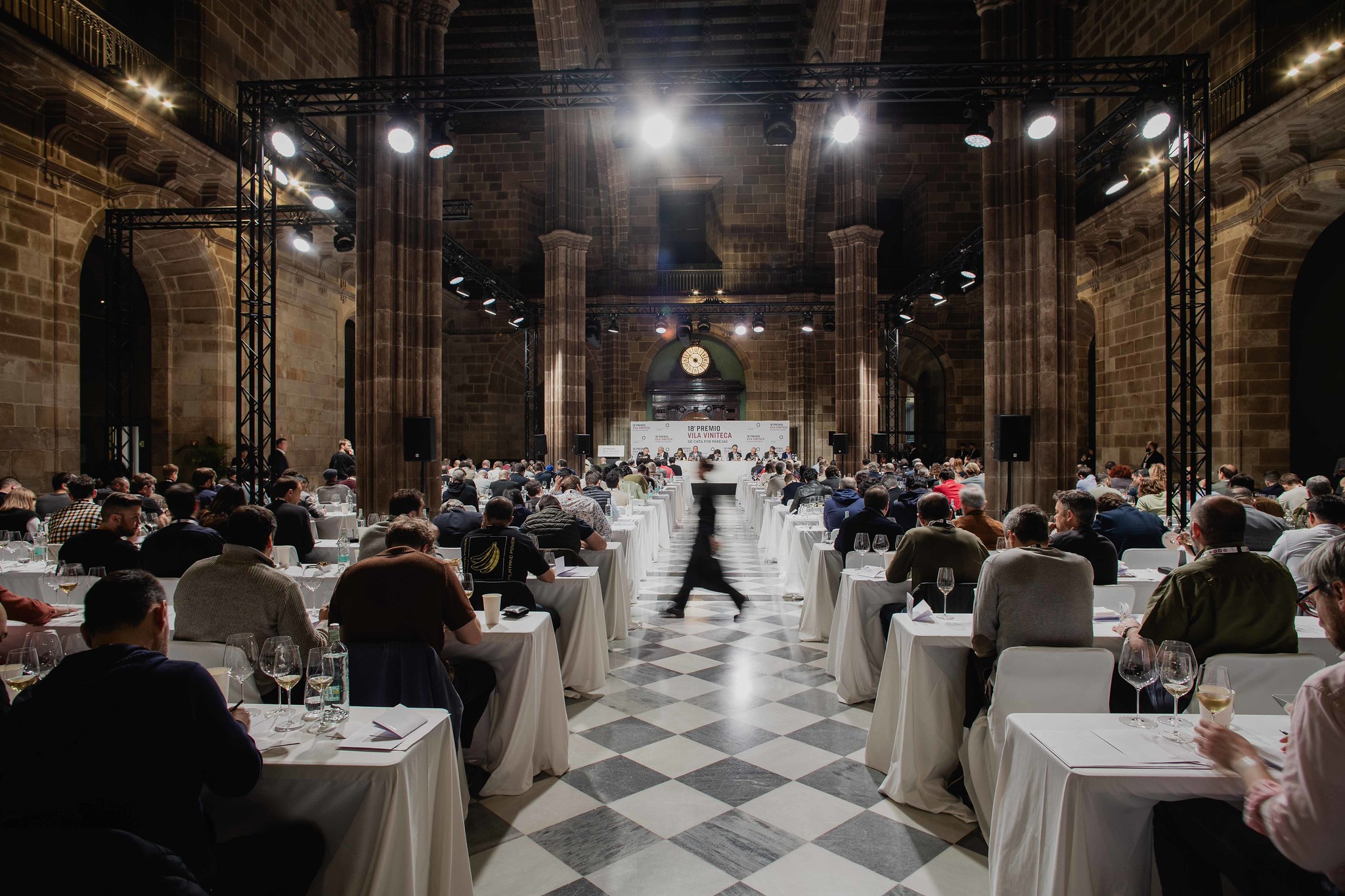
Back in February I took part in Vila Viniteca's Cata por Parejas, a competitive blind tasting with a huge reputation in Spain and a growing international following. Now in its 18th year, simply getting into this tasting requires a fast finger when tickets go live, much like a music festival. The tastings alternate between Barcelona and Madrid, and I have taken part in the competition four times over the last decade. This tasting is for teams of two, and I have always taken part with my fellow Master of Wine, Alvaro Ribalta, since he first asked me to join him when we were first year students on the program. 125 teams take part, with the tasting split into a first round of seven wines, with the top ten pairs going through to a final round that same day after lunch, tasting through another seven wines. We had made the final once before, but were unable to secure a podium finish. The rewards are significant, not only significant kudos from within the wine trade and beyond, but third place takes 5,000, second 10,000 and first 35,000 euros. Vila Viniteca do an incredible job putting the tasting together, so much so that there is an audience watching the tasting, TV cameras and all (though I'm not sure it's the most interesting spectator sport). There is a separate tasting that takes place between the rounds, and the location is always a stunning setting: when in Barcelona it is right next to the beach in the grand hall of the Casa Llotja de Mar.
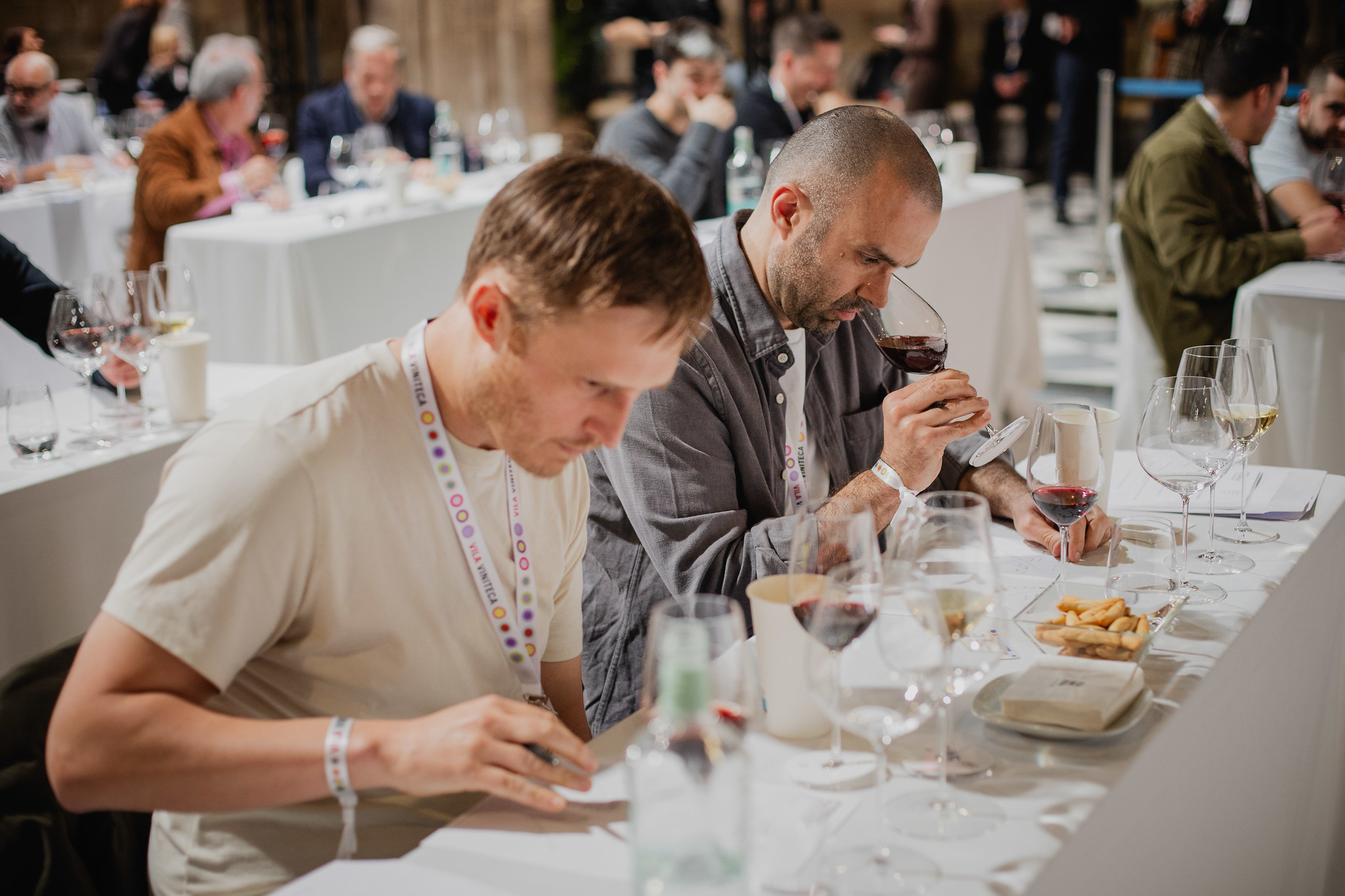
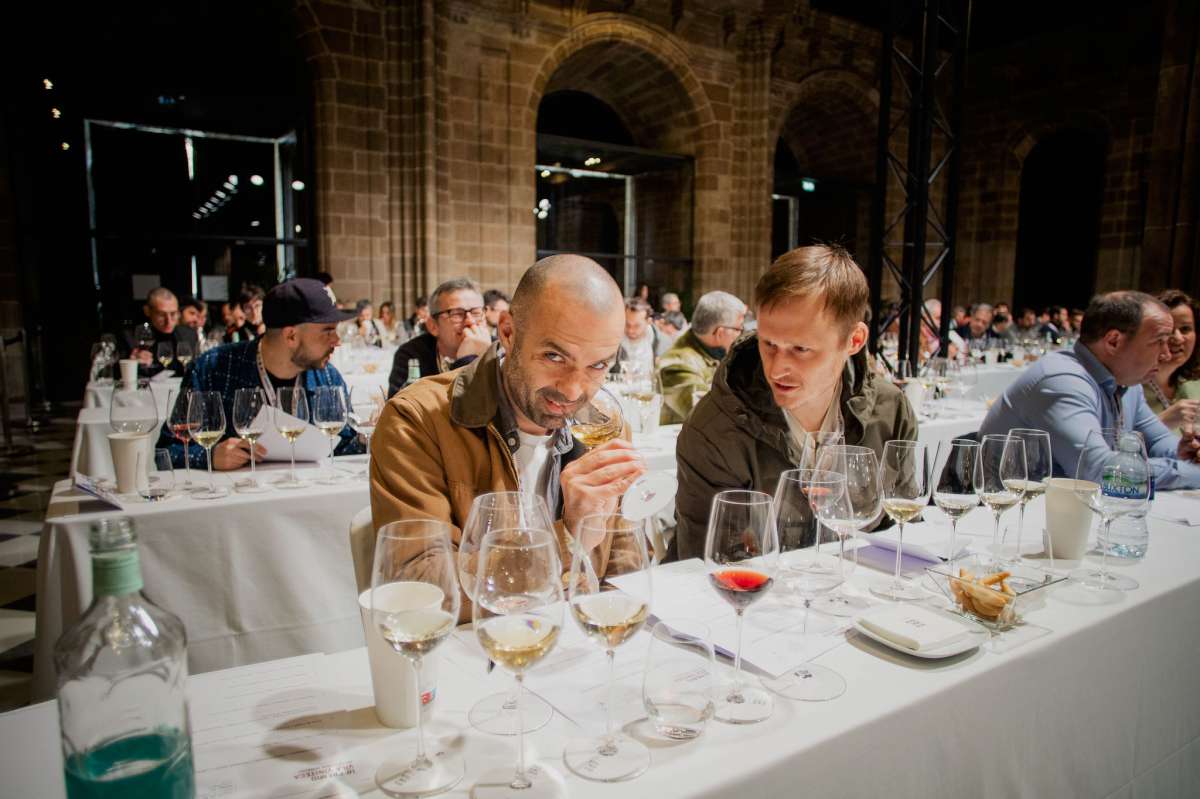
It's quite strange looking around as 250 tasters contemplate the same seven wines, which are brought out on silver trays by an army of sommeliers and served in Riedels. There are even glasses of different sizes and shapes on each table to allow competitors the chance to change how they smell and taste the wines. The goals are straightforward but far from easy: guess the grape, country, region, sub-region, vintage, producer and specific bottling of each wine if you can. Competitors also submit their accompanying tasting notes, which allow the judges to separate teams should the scores be close. Thankfully these can be written in English as, given my experience, the note-writing falls to me while Alvaro takes on the more important job of filling in our answers.
Tasting in pairs adds an extra layer of complexity - you need to know each other's strengths and weaknesses, have an established rhythm for tasting and discussion, and allow for some give and take. Over the last decade this has become seamless for us: Alvaro's experience in wine is global but he clearly has a much greater understanding of Spanish wine given his work and home base in Barcelona. My expertise lies more with French wines and icons from around the world. We taste the wines separately and take notes before any discussion. Hopefully at that point we have one or two confident answers each, leaving a few where we need to come together and work things through.
So it proved in the first round. We agreed the opening fizz was Spanish and I left Alvaro to his confidence on exactly what it was, only giving my opinion on maturity. Wine three was quite clearly white Burgundy and very young but with a solar style, so we discussed a little before landing on a vintage, region and producer. The fifth wine I left to Alvaro, a clear Spanish red, and the last wine was right in my wheelhouse and one I immediately went straight to producer as Château Climens. After that there was a little more discussion: wine six in particular was confusing to us and the fourth felt non-aromatic but high quality, a very difficult one to guess blind as it could then be a blend, a closed Chardonnay or a myriad of indigeneous varities. Having a clear guess on four wines put us in a good position so the goal here is just to pick up points where you can - consider more likely countries and varieties, and really try to get close on vintage.
There is a bit of time between tasting and the first round results - time to have a coffee, glass of wine and generally tie yourself in knots discussing the wines with other teams (something I try to avoid), but soon enough we were back in the hall waiting to hear which ten teams made it through. Before that the wines are revealed one by one, unveiled with a flourish to oohs, ahhs and the occasional celebratory shout from one of the teams. There were some very tricky (and very high quality) wines in there, not least the Sine Qua Non white blend and Eben Sadie's Columella. The Lafon, too, was very shy but we were close enough there, and Alvaro did a superb job with the Spanish wines. We felt fairly good about our picks as the wines were revealed, particularly when the last wine came through as Climens 2010. Then, the top ten teams are called up one-by-one. This can be an agonising process, but we were the first names read out, and after a quick hug and fist pump we composed ourselves for what was to come.
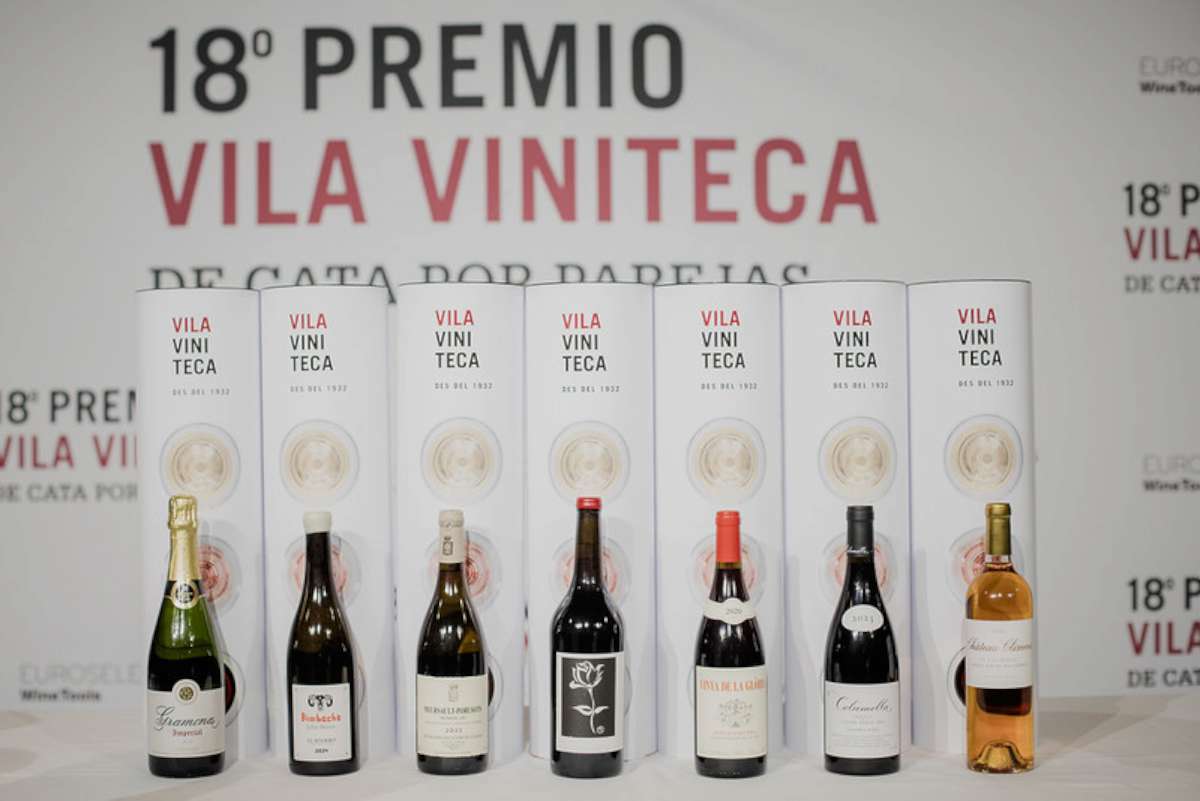
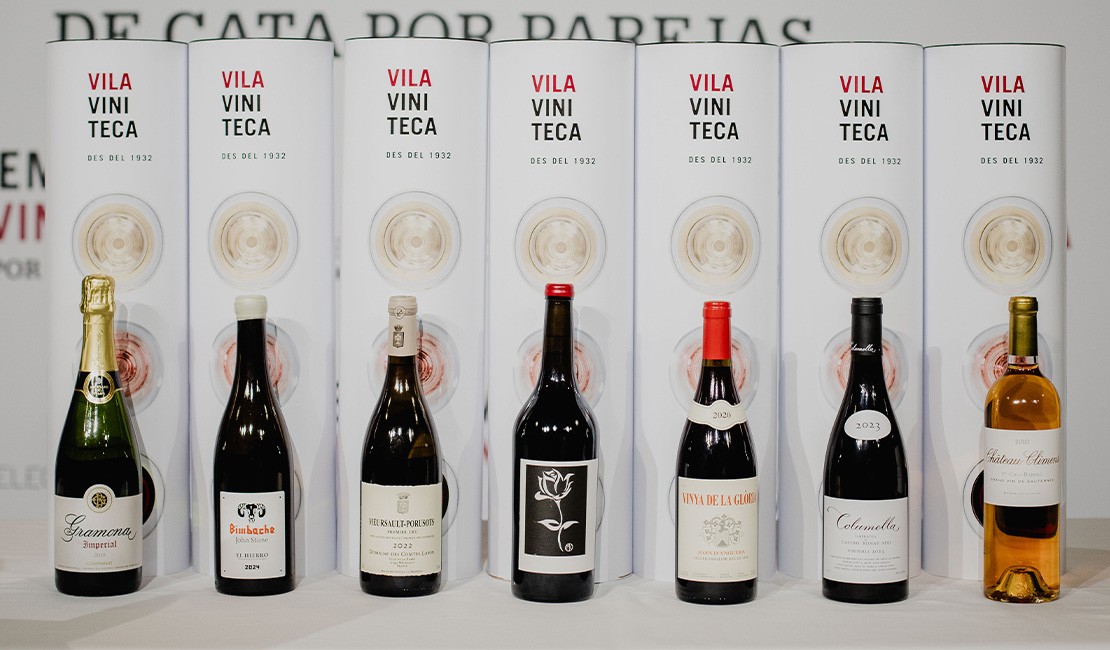
Wines from the first round:
1. Gramona Imperial Brut 2019, Corpinnat
2. Bimbache John Stone 2024, El Hierro
3. Domaine des Comtes Lafon Meursault 1er Cru Les Porusots 2022, Bourgogne
4. Sine Qua Non Aperta 2018, California
5. Celler Joan d’Anguera Vinya de la Glòria 2020, Montsant
6. The Sadie Family Wines Columella 2023, South Africa
7. Château Climens 2010, Bordeaux
One of the particularities of the Vila Viniteca tasting is that the majority of the wines are likely to come from their very extensive (nearly 200 page long) wine list. That gives the tasters some idea of producers to consider, and some teams spend months tasting wines specifically from the list to hone their palates. Alvaro and I are both fairly busy in our lives, so our training largely consisted of two heavy wine dinners on the two nights before the competition -perhaps not the best preparation. But, between us we have tasted thousands of wines, and we do this tasting mostly because it's great fun and gives us a chance to catch up. That said, with a prize in sight the competitive juices started to flow, so we rushed to a quiet corner of a restaurant for lunch where I had a pizza that I don't remember - goal one is don't burn your mouth or ruin your palate - and skimmed the entire Vila Viniteca list. My wife, who was with us, can't have had many less sociable meals than with the two of us that day.
With our minds full of potential producers and a world of wines, we stepped back into the hall where 125 tables had turned to ten, roped off for spectators to watch the events unfold. The final was stacked with great tasters, including the Wine Advocate's Luis Gutierrez, Janice Wang and Domen Prešern (husband and wife, both ex-captains of the Oxford University Blind Tasting team, with Janice now a Master of Wine), Nico Montaner who runs Maitea (one of Barcelona's best spots for wine), a winemaking team from Penedes, and a pair of celebrated sommeliers.
We quickly settled into our spots and after some intros and pleasantries we got down to business. It's easy to feel pressured or distracted in such settings with a constant rumbling from the crowd, photographers close by and spotlights on the teams, but I can't help but feel our experience in the MW practical exams put the two of us in a good spot. We followed the same process and didn't get ahead of ourselves, which was important after a first wine that threw us both. In fact, it wasn't until wine three that I felt settled, but what a settler it was. Old Bordeaux is not something everyone gets to taste every day, and that put me at a big advantage. It felt from a good but not great vintage with a softer edge in the 1980s, and straddled elements of right and left bank so I went for 1985 and picked a spot led by Cabernet Sauvignon but with a chunk of Merlot. After that we found a bit of rhythm, agreeing on high quality Champagne and Blanc de Blancs from a rich, gastronomic vintage, choosing 2012 Comtes de Champagne. Alvaro took the lead on the next wine with his experience, again the most I offered were thoughts on maturity and quality. After that was a superb white that was clearly Riesling, and I felt confident in it being a wine from Egon Muller's 2019 range. The last wine was clearly sherry, and we worked through for a reasonable guess on style and producer.
After cementing our picks and writing the tasting notes the round was over and thus began the wait for results. This is harder than for the first round, not least because it is harder to escape the chat between the finalists on what this or that might have been, with doubts creeping into the back of your mind. Audience members close to the teams also come through and taste, giving their opinions, but again I was keen to discuss as little as possible. The marking for the results was supposed to take 30-40 minutes but, as we later found out, the scores were incredibly close and it was well over an hour before the judges returned to reveal the wines and give the results. My nerves were amplified not only by the potential to win, but by my need to catch a flight that was getting uncomfortably soon.
You can feel the tension in the room as the wines are revealed in the final, teams are looking at each other for reactions as to what may have gone well or not. We didn't start well, a unique blended Schloss Gobelsburg threw us but equally was difficult for all teams, and a Spanish Garnacha earned us some but not many points. Then we hit a run - wine three was 1983 Lafleur, so though we weren't perfect we had a good result. The Champagne was a Blanc de Blancs 2012 but not Comtes; good but not perfect. We did well with a Mas de Serral (all Alvaro's work), and the Riesling, though not domaine Egon Muller, was a 2019 made by his separate project of Le Gallais. We took some but not full points on the final sherry. In my head, I felt we had done enough for a podium spot, though my onlooking wife said we didn't look all that happy, perhaps both trying to downplay our chances.
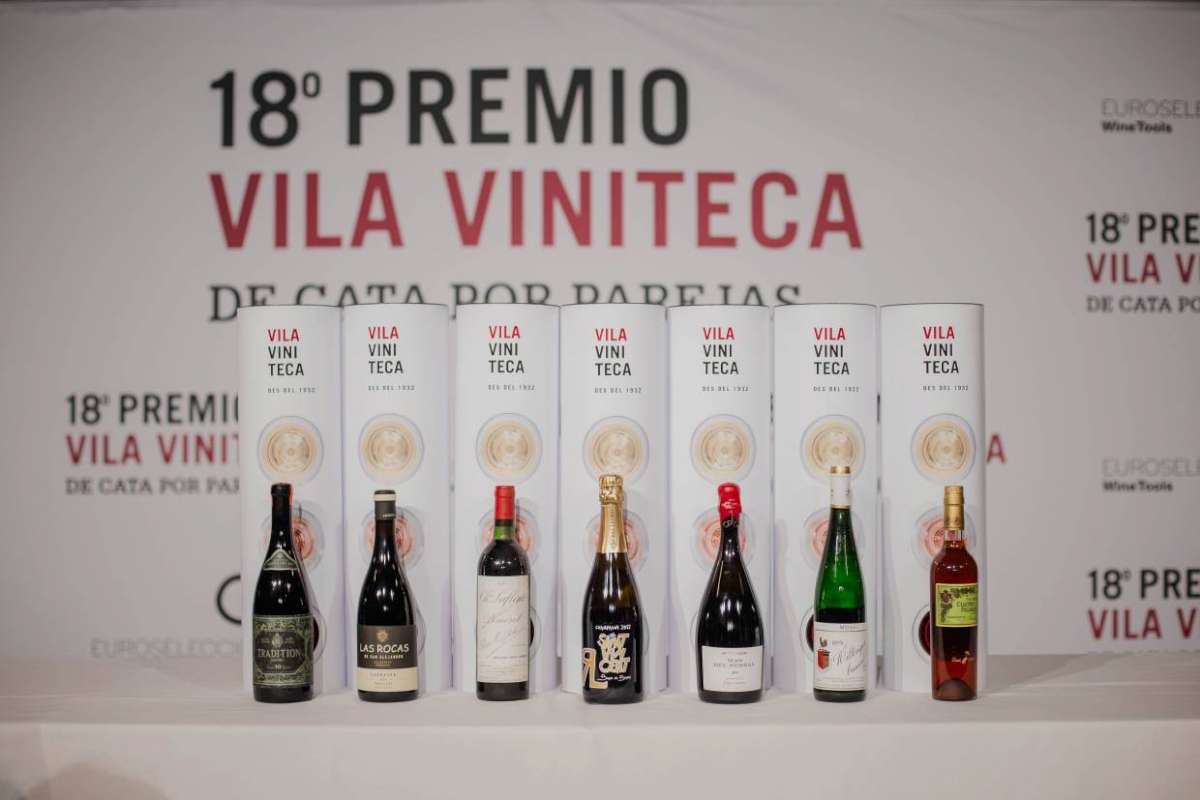
Wines in the final:
1. Schloss Gobelsburg Tradition Heritage Cuvée 10 Years, Kamptal
2. Las Rocas de San Alejandro Garnacha Viñas Viejas 2023, Calatayud
3. Château Lafleur 1983, Bordeaux
4. R&L Legras Cuvée Saint-Vincent 2012, Champagne
5. Pepe Raventós Mas del Serral 2014, Conca del Riu Anoia
6. Le Gallais (Muller) Wiltinger Braune Kupp Spätlese 2019, Mosel-Saar-Ruwer
7. González Byass Tío Pepe Amontillado Cuatro Palmas Saca 2017, Jerez-Xérès-Sherry
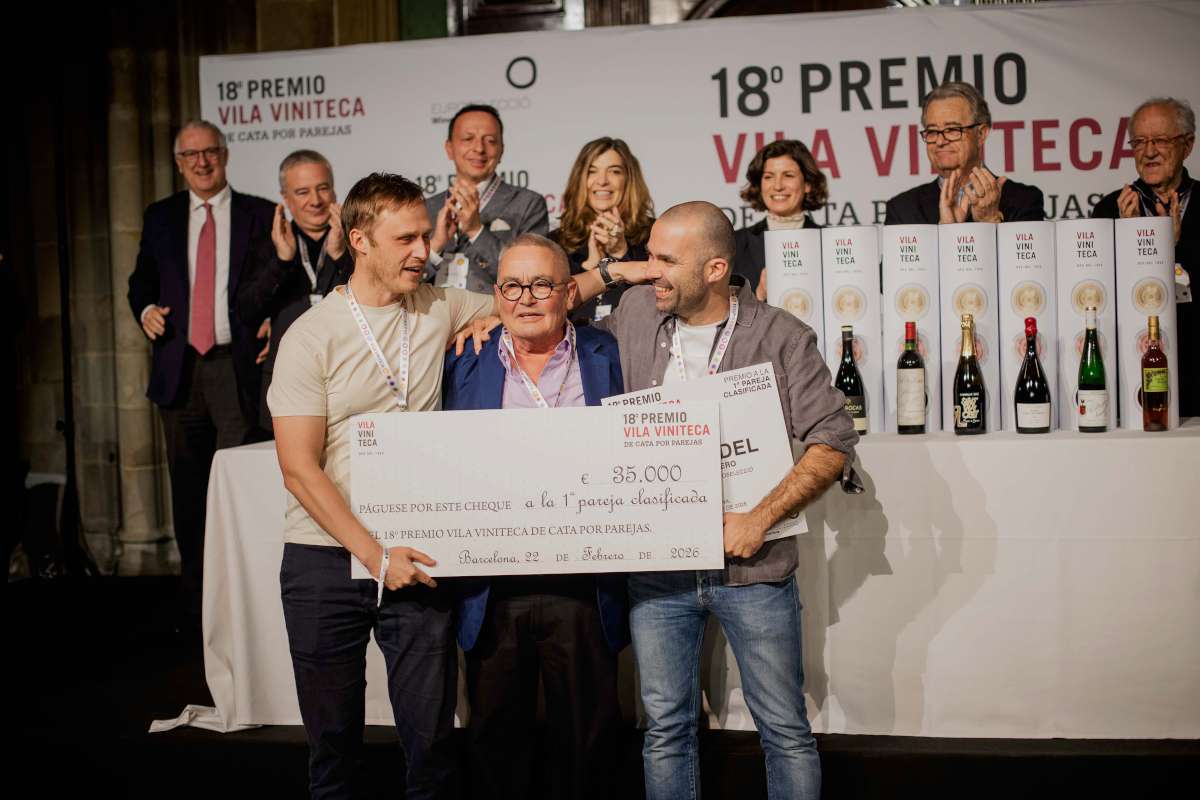
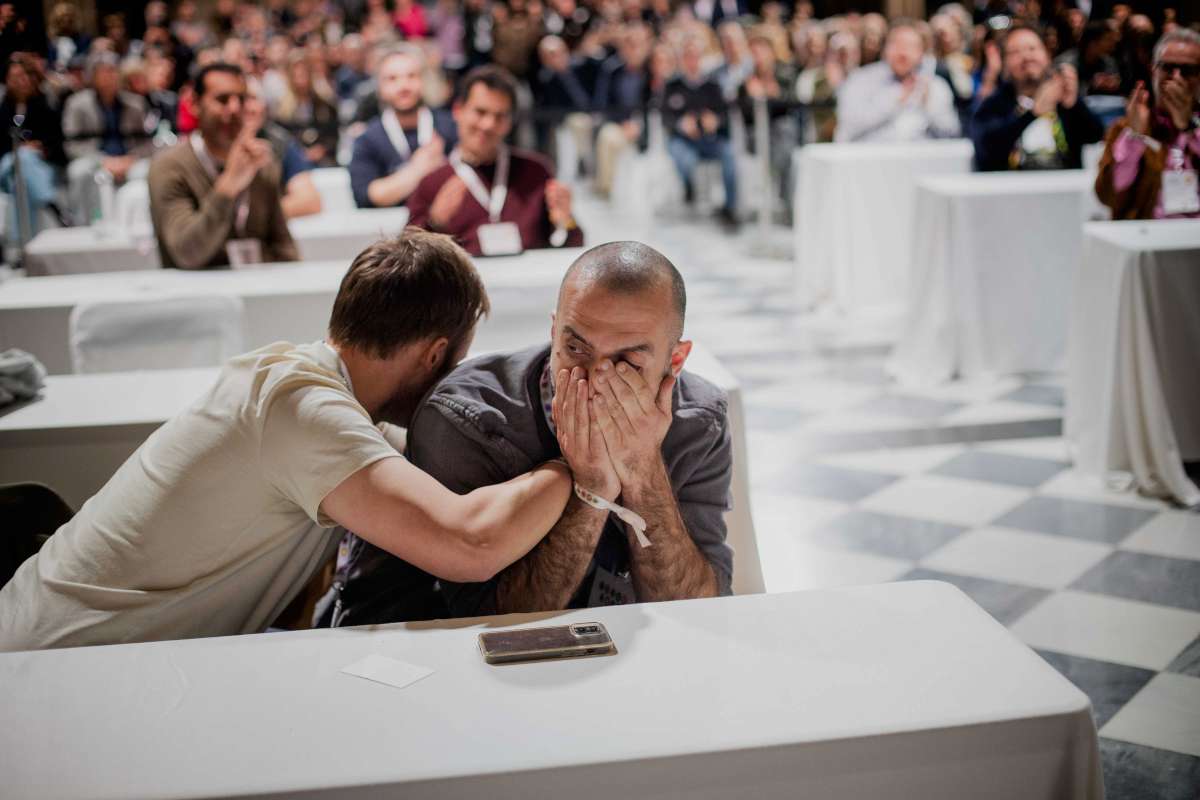
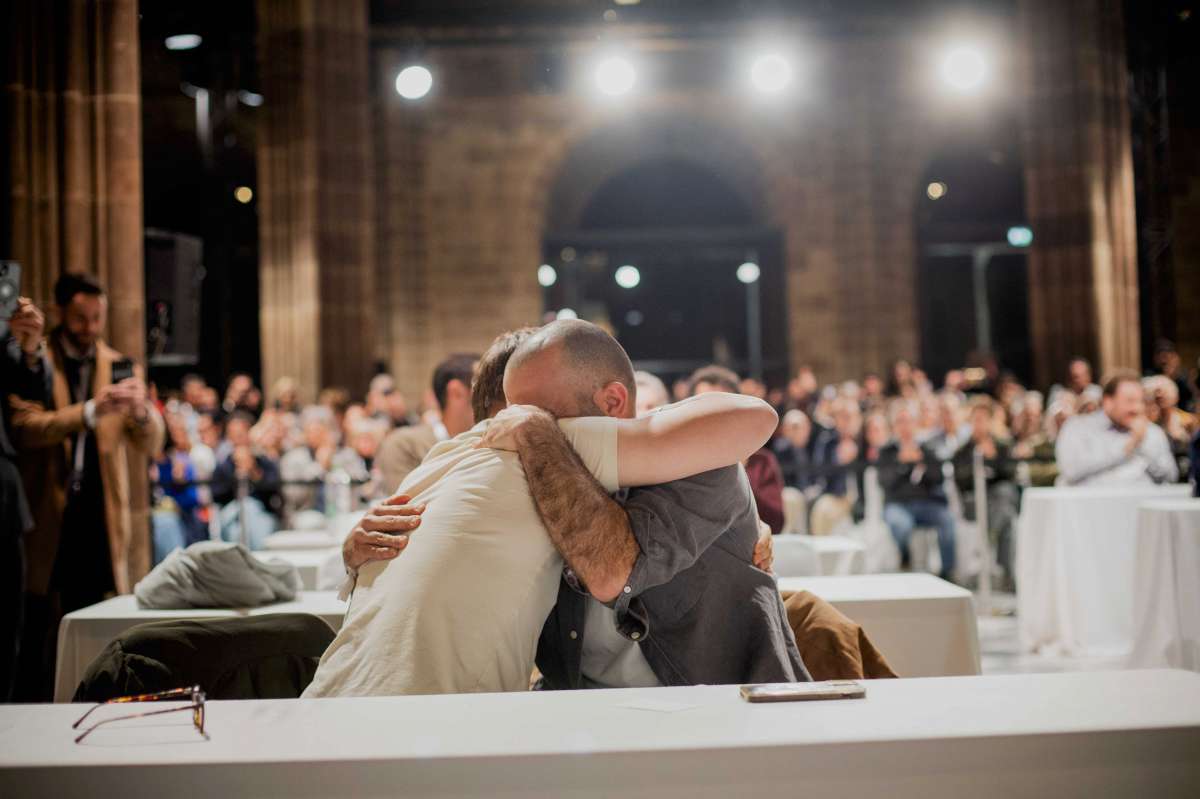
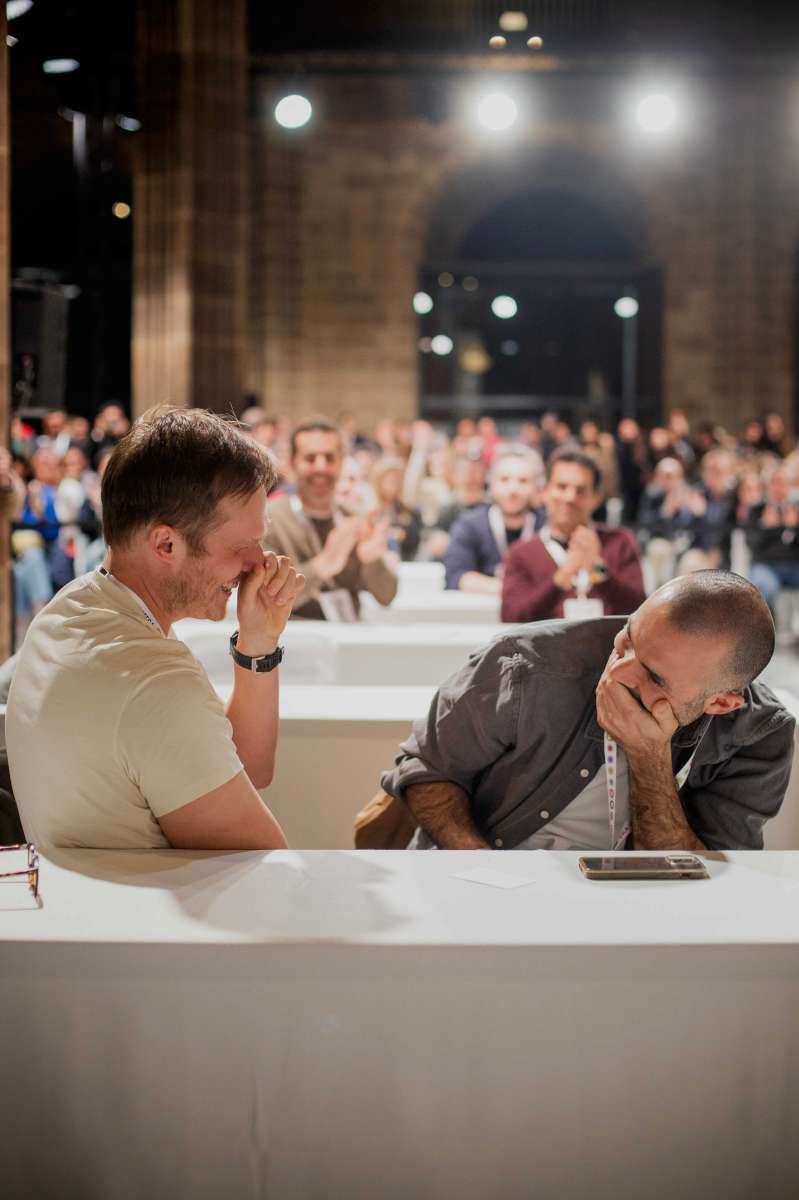
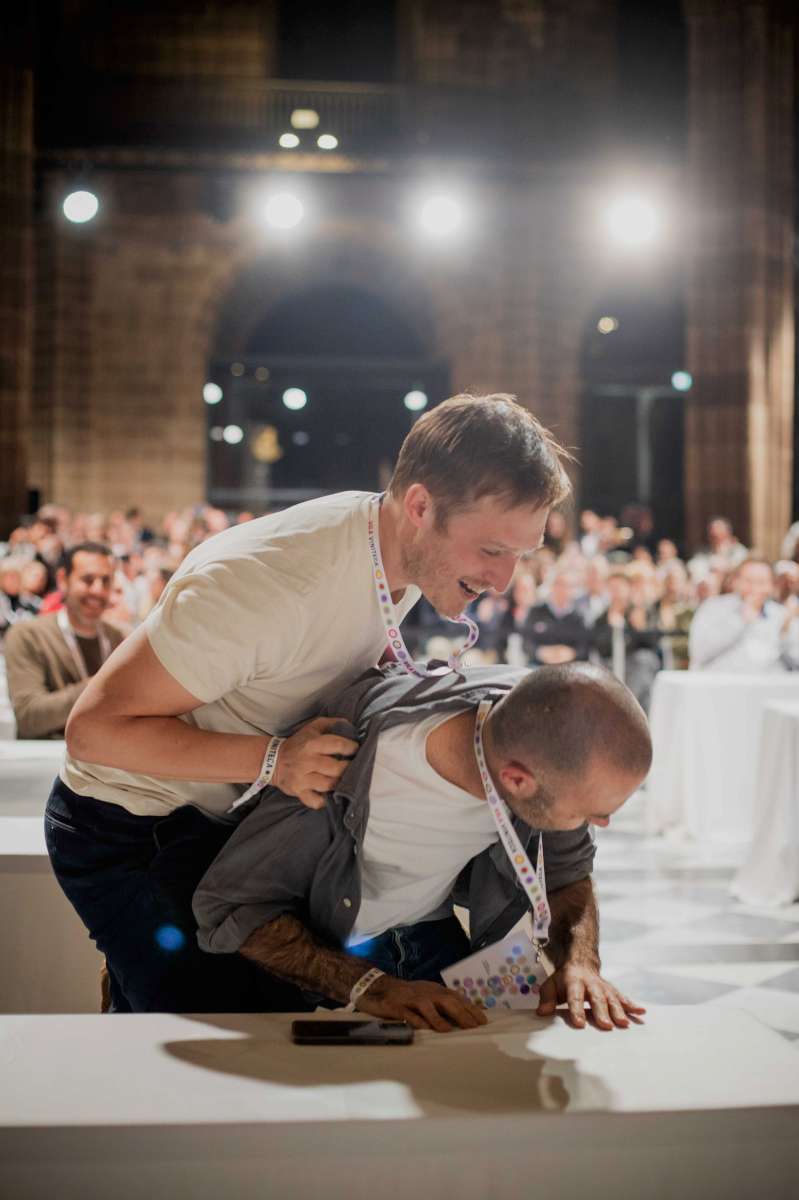
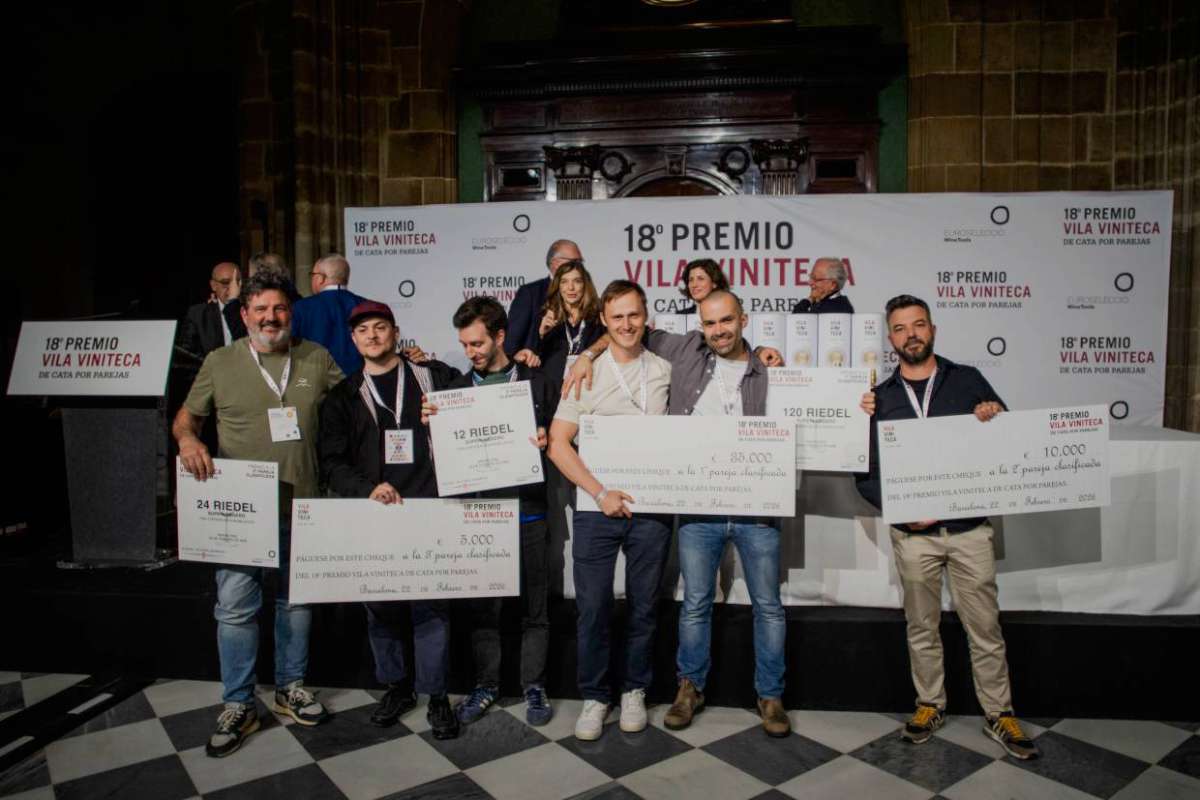
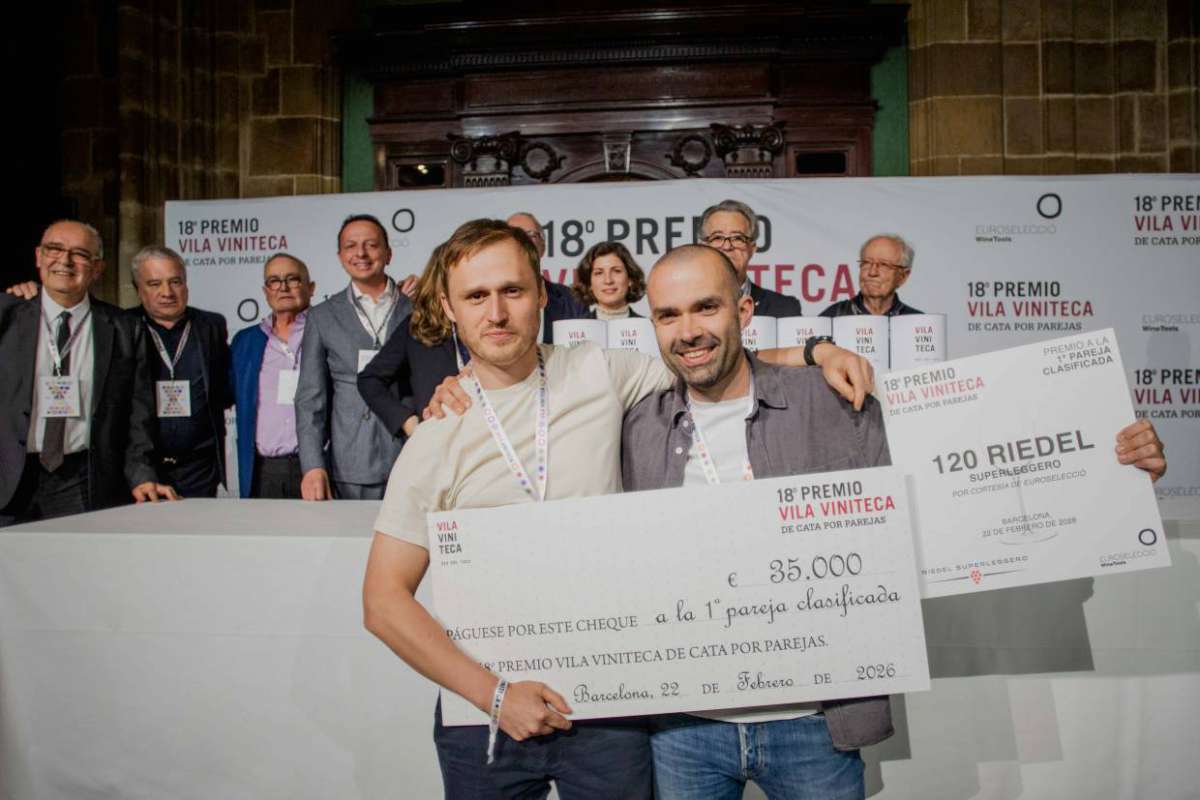
The top three teams are announced in reverse order, first by their team number (assigned at the beginning of the final to ensure anonymity between taster and judge) and then by name. In third were Alberto Rufoni and Patricio Zárate, two excellent and experienced tasters. When Antoni Carbó and Ramon Jané were announced in second I assumed we had just missed out on a podium spot again, as we knew they had nailed some wines. When I heard the word cinco as they called out the winner, I had to look to Alvaro and check that I hadn't misheard our number being called out. But when he collapsed into his hands, I knew we had won. It seems silly to put so much stock into tasting wine, but the giddy elation of that afternoon will stay with me for a long time. We have both put a lot of work into this niche area, and it was brilliant to celebrate that together. Earning your MW is done alone and away from others, with your result given over a quiet phone call. Here, we could actually let loose and enjoy the moment.
After more hugs than I can count and a lot of laughter, we were taken through a whirlwind of prize giving, TV/camera interviews and signing of documents. I wanted to stay and celebrate the win properly, but needs must and my wife and I rushed to the airport, walking onto the plane just in time with a single G&T to toast the win on an EasyJet flight back to London. The experience is one I will never forget and the win something I plan to defend when the event heads to Madrid next year, but not before I go back to Barcelona to celebrate properly with a magnum or two.